World Lemur Day Highlights Conservation Challenges in Madagascar
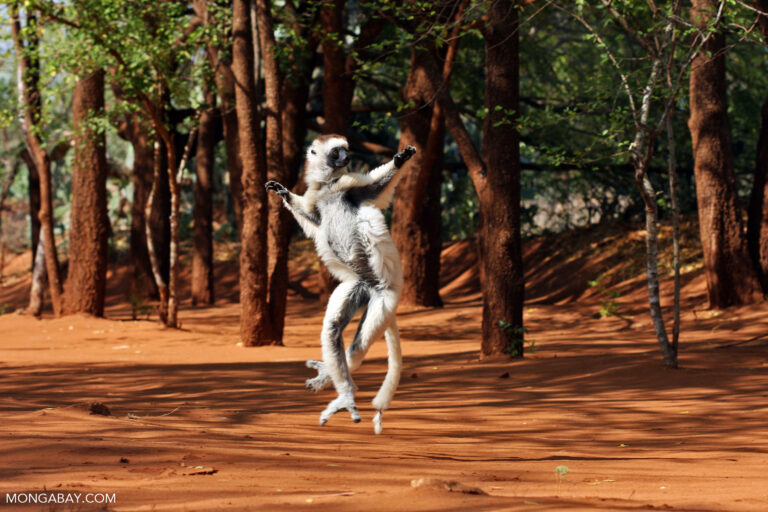
World Lemur Day, observed on the last Friday of October, highlights the urgent conservation needs of Madagascar's lemurs, with more than 100 species facing severe threats from habitat loss and hunting. According to the International Union for Conservation of Nature (IUCN), 98% of lemur species are at risk of extinction, with over 30% classified as Critically Endangered.
The SOS Lemurs Initiative, part of the IUCN's Save Our Species Programme, has been active in addressing these threats. Its first phase, from 2017 to 2023, supported 49 projects aimed at protecting 63 lemur species and enhancing local conservation efforts. The second phase, running from 2023 to 2029, includes 25 projects across 27 sites, targeting 60 species.
Deforestation and habitat fragmentation remain significant challenges. Between 2015 and 2019, southeastern Madagascar saw a 63.37% increase in mature agricultural land, while forest areas declined by 2.13 km², representing a 3.5% annual loss. Since the 1950s, Madagascar has lost 44% of its natural forest, with 46% of remaining forests within 100 meters of an edge, increasing their vulnerability.
In the Amoron’i Onilahy Protected Area, the World Wildlife Fund (WWF) has achieved notable success. From 2019 to 2020, deforestation decreased by 60%, and lemur density increased between 2019 and 2022, showcasing the potential impact of community-centered conservation efforts.