World Bank Abandons Climate Finance Targets Amid U.S. Pressure
By David Okafor
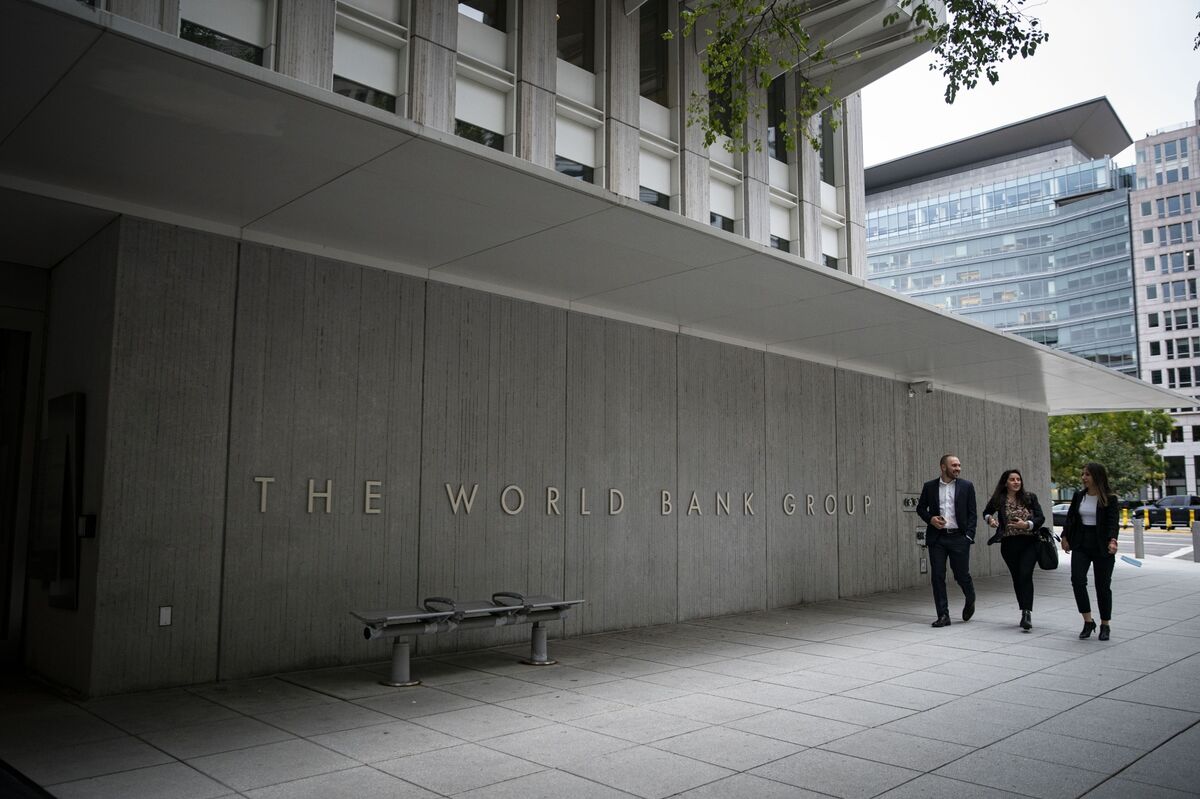
The World Bank has decided to eliminate its quantitative target for climate financing, which required 45% of its annual lending to focus on climate initiatives. This move comes after significant pressure from the United States, the bank's largest shareholder, which has advocated for a shift back to economic development priorities.
The Climate Change Action Plan (CCAP), initially adopted in 2021, is set to expire on June 30, 2026. The plan had been extended once and included the 45% climate finance target, evenly divided between mitigation and adaptation efforts. In fiscal year 2025, the World Bank exceeded this target by allocating 49% of its financing to climate-related projects, amounting to $39.2 billion.
The U.S. Treasury, led by Secretary Scott Bessent, criticized the climate finance target as "distortionary" and called for the World Bank to refocus on its core mission of economic development and poverty alleviation. In response, the World Bank's management has supported the removal of the target, emphasizing a shift towards "smart development and real outcomes" rather than fixed numerical goals.
This decision has been met with resistance from other stakeholders, including France and several European and developing countries, who have urged the World Bank to maintain its climate ambitions. French Development Minister Eléonore Caroit expressed concerns that abandoning the target signals a retreat from the bank's institutional commitments to climate resilience.
The removal of the climate finance target highlights ongoing tensions among the World Bank's shareholders over its role in addressing global climate challenges while balancing economic development objectives.