Wildfire Litigation Grows into Multibillion-Dollar Industry
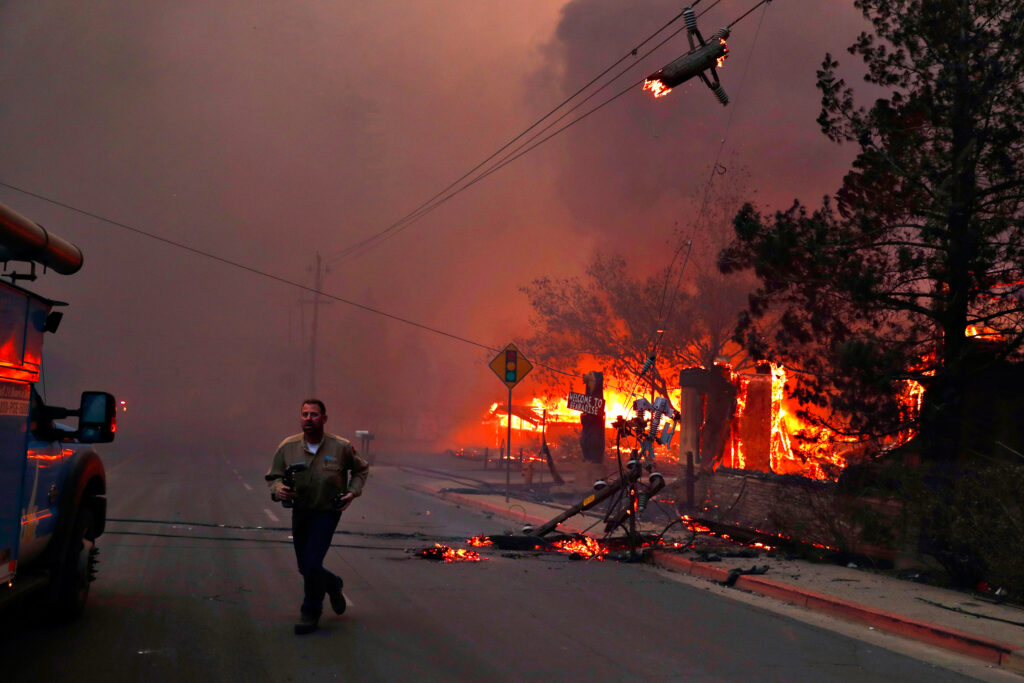
Wildfire litigation in the United States has burgeoned into a multibillion-dollar industry, driven by significant settlements from catastrophic fires. The 2018 Camp Fire in California, ignited by Pacific Gas and Electric (PG&E) equipment, stands out with a $13.5 billion settlement, marking one of the largest civil settlements for an environmental disaster in U.S. history.
Since 2017, settlements across California, Hawaiʻi, Colorado, and Oregon have surpassed $18 billion. Utilities such as PG&E, PacifiCorp, Xcel Energy, and Southern California Edison have shouldered the majority of these financial liabilities. In 2021, Xcel Energy agreed to a $640 million settlement for the Marshall Fire in Colorado, which resulted in nearly 1,000 homes destroyed.
The legal infrastructure supporting wildfire litigation has expanded significantly. Singleton Schreiber, a San Diego-based law firm, reports representing over 30,000 victims and recovering more than $3 billion on their behalf. The firm employs dozens of lawyers and around 200 staff dedicated to wildfire cases.
Mass-tort structures and litigation financing are key drivers of this industry's profitability. Attorneys typically work on contingency fees ranging from 30% to 40%, although Hawaiʻi has imposed a statutory cap of 25% for wildfire cases. Litigation financing has also become prominent, with law firms securing loans from hedge funds and investment banks like Jefferies and Oppenheimer to manage case costs.
PacifiCorp serves as a notable example of financial accounting in this sector. As of June 30, 2026, the company had recorded $2.853 billion in estimated probable wildfire-related losses and paid $2.281 billion in settlements. A further $575 million federal settlement was approved in February 2026 to resolve wildfire claims.