U.S. Rooftop Solar Installers Face Rising Costs and Reduced Incentives
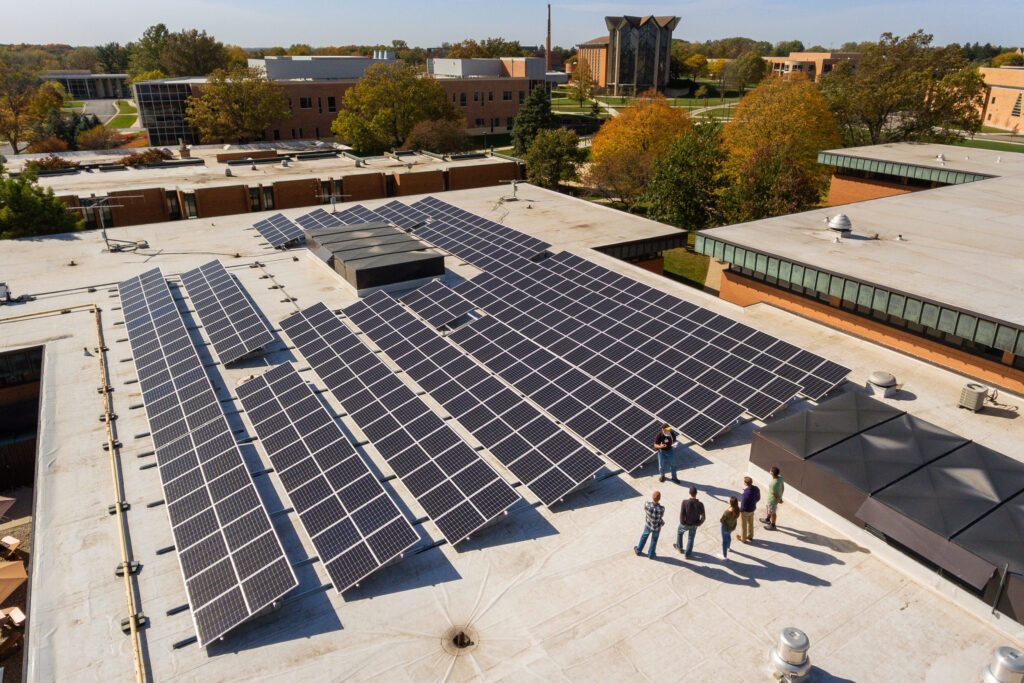
Rooftop solar installers in the United States are grappling with increased costs and diminishing incentives, driven by tariffs on imported solar components and the phase-out of federal tax credits.
In 2018, the Trump administration imposed significant tariffs on imported crystalline silicon solar cells and modules, as well as on Chinese polysilicon. These measures have led to a 60.6% increase in domestic solar module prices in mid-2026, reaching $0.560 per watt, according to pv-magazine-usa.com.
Meanwhile, U.S.-assembled solar modules have maintained more stable pricing, with median prices at $0.30 per watt in Q2 2026. This stability is attributed to the enforcement of Foreign Entity of Concern rules and ongoing tariff policies.
The federal residential clean energy investment tax credit, initially extended by the Inflation Reduction Act in 2022, is also being phased out. The One, Big, Beautiful Bill Act mandates an accelerated phase-out, terminating the solar ITC for facilities placed in service after December 31, 2027, if construction begins after July 4, 2026.
These dual pressures from tariffs and tax credit reductions are intensifying financial challenges for rooftop solar installers, impacting their confidence and operations.