U.S. Electric Rate Hikes Surpass Inflation as Approval Rates Climb
By Priya Anand
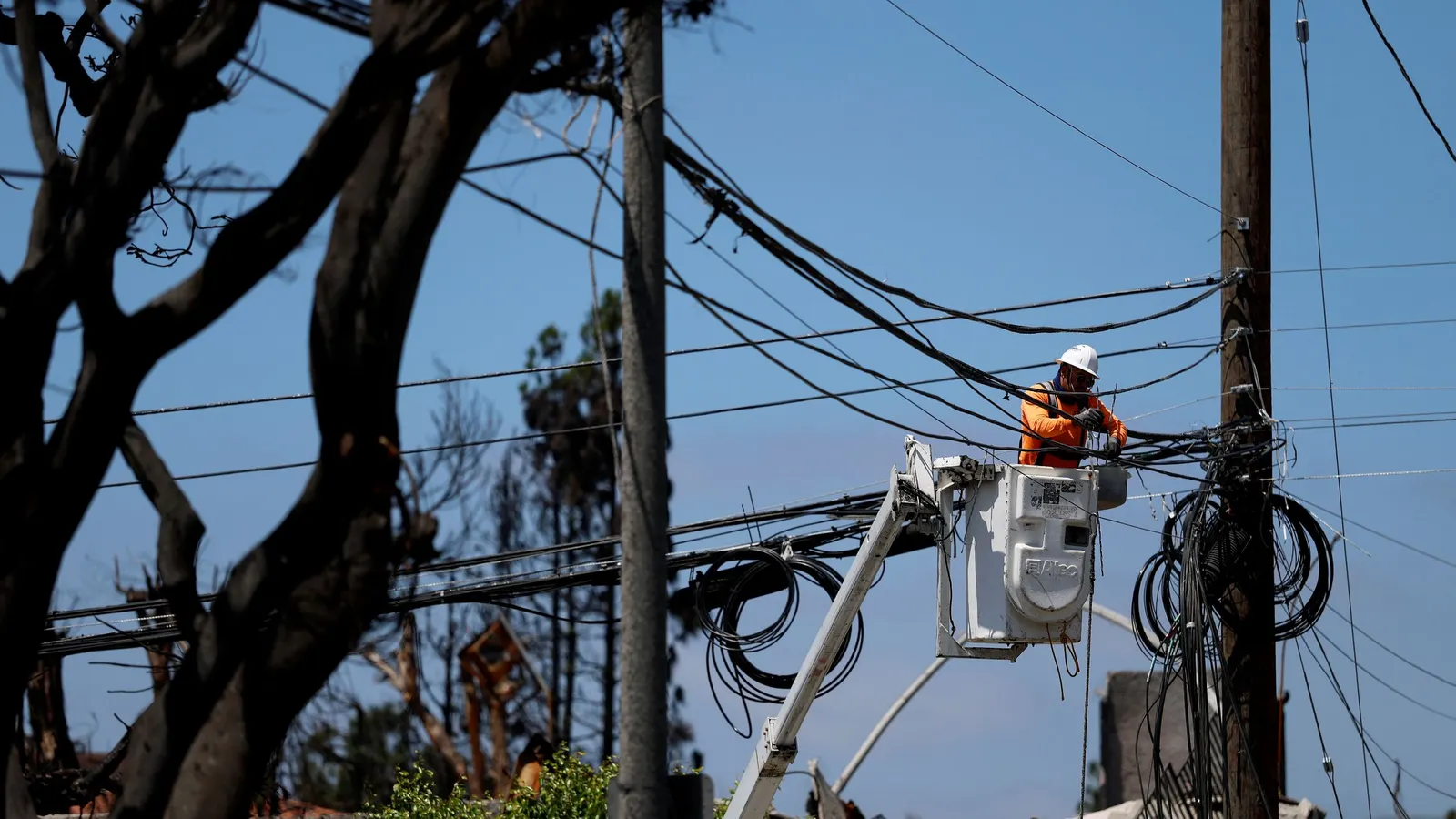
Regulators have approved 64% of the dollar value of investor-owned utility (IOU) revenue increase requests over the past five years, significantly impacting consumer electric bills. This approval rate, highlighted in a recent report from the Lawrence Berkeley National Laboratory (LBNL), suggests a continued upward trend in electricity rates.
The LBNL report indicates that U.S. electric rates increased by 2.6% between 2024 and 2025 when adjusted for inflation. This rise outpaces the broader inflation rate, raising concerns about the long-term affordability of electricity for consumers.
Since 2019, nominal electric rates have increased markedly: residential rates by 33%, commercial rates by 26%, and industrial rates by 27%. Despite these increases, total electricity bills as a share of household income remain near historic lows.
Regionally, the largest inflation-adjusted retail rate increases from 2019 to 2025 occurred in California, with rates rising over 6 cents per kilowatt-hour, and in Maine, with an increase of over 4 cents per kilowatt-hour. Several states in the Northeast and Mid-Atlantic regions also saw significant increases.
Key drivers of these increases include heightened spending on transmission and distribution, particularly in California, where wildfire mitigation efforts have inflated costs. Additionally, the growth of behind-the-meter solar and battery capacity has altered load patterns, further affecting rate dynamics.