UK's Africa Strategy Falters as Starmer Resigns
By David Okafor
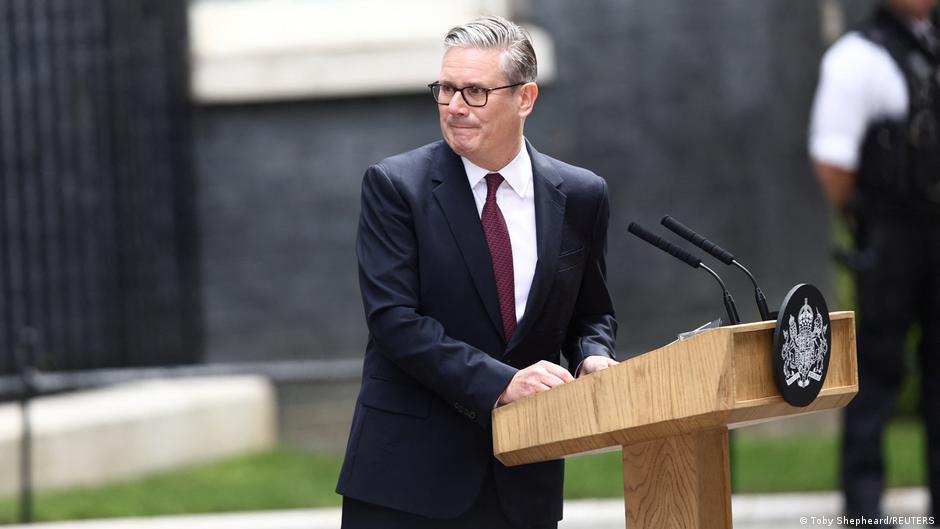
Keir Starmer's resignation as UK Prime Minister in June 2026 marks the end of an ambitious but unfulfilled reset in UK-Africa relations. Starmer had entered office in July 2024 with a promise to transform the UK's engagement with Africa, focusing on partnership and investment. However, his departure leaves these plans largely unrealized.
Starmer's administration initially made strides, such as hosting Nigeria's President Bola Tinubu in March 2026 to secure economic partnerships. Despite these efforts, progress stalled due to high-level government reshuffles and broader geopolitical distractions, including conflicts in Ukraine and the Middle East.
Financial constraints further complicated the UK's Africa strategy. UK aid, which stood at 0.7% of GNI in 2020, was reduced to 0.5% and is projected to fall to 0.3% by 2027. This reduction is partly to accommodate increased defense spending. In 2024/25, UK bilateral aid to Africa was projected at £1.5 billion, but future cuts are expected.
Despite these challenges, Africa remained a significant recipient of UK aid, receiving £1.885 billion in 2024, accounting for 49.4% of the UK's total overseas development assistance. However, planned bilateral aid is forecasted to decrease by approximately 17% by 2029.