UK Poultry Growth Plan Sparks National Security Concerns
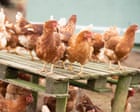
The UK government's plan to expand the poultry sector is facing criticism from campaigners who argue it could pose a risk to national security. The plan, part of a broader initiative to enhance food security by increasing domestic production, relies heavily on imported animal feed, which campaigners warn is vulnerable to supply chain disruptions.
Campaign groups Sustain and Communities Against Factory Farming (CAFF) have voiced concerns that the growth plan could exacerbate national security risks. Ruth Westcott from Sustain labeled intensive poultry farming as resource-intensive and inefficient, while CAFF's Maya Pardo pointed to the government's own assessment showing that 18% of animal feed is soy imported from South America, highlighting potential vulnerabilities.
The Farming and Food Partnership Board, established by the government, aims to bolster domestic food production and resilience. Environment Secretary Emma Reynolds emphasized the importance of consuming more homegrown produce to improve food security, as stated at the Groundswell agriculture festival earlier this month.
Despite these efforts, the UK's dependency on imports remains significant. In 2025, domestic poultry production accounted for 80% of supply, while imports rose by 8.6% to 700,000 tonnes. The UK also saw a 6% increase in total food, feed, and drink imports, reaching £67.8 billion, with animal feed valued at approximately £3.5 billion.
DEFRA's 2024 food security report underscores the UK's reliance on a limited number of countries for essential feed additives, further complicating the supply chain. The government's farming roadmap warns that geopolitical instability and climate change could trigger severe food price shocks or limit food availability.