Trump's Energy Emergency Declaration Faces Legal and Market Challenges
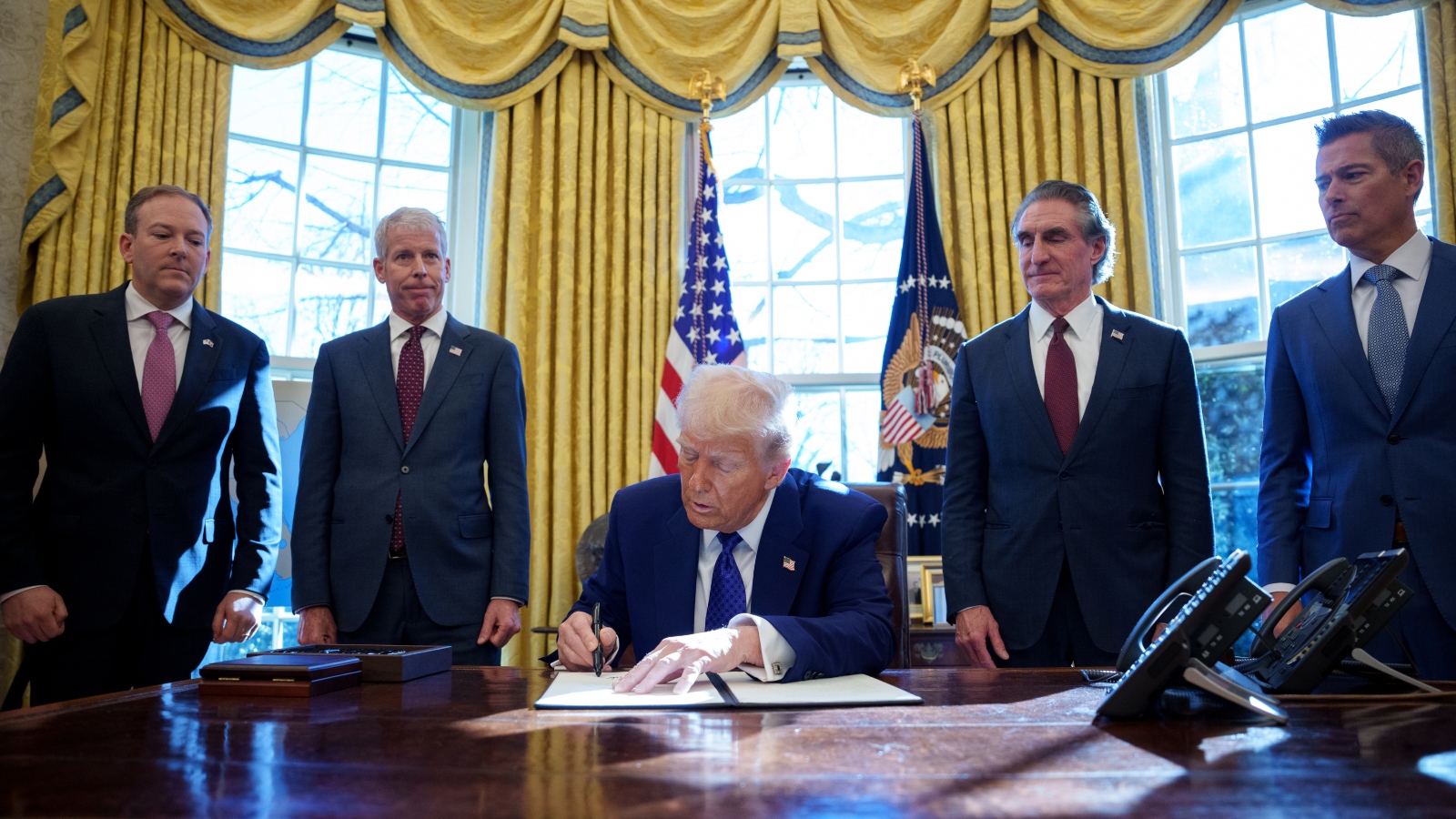
President Trump declared a 'National Energy Emergency' on January 20, 2025, through Executive Order 14156, aiming to expand U.S. fossil fuel production by utilizing emergency powers. This move was intended to address what the administration described as inadequate energy infrastructure and high prices threatening Americans.
The order directed federal agencies to expedite fossil fuel production and reverse regulations limiting energy development. The U.S. Army Corps of Engineers and the Department of Energy (DOE) activated emergency measures to fast-track projects and prevent plant shutdowns, including a coal plant in Michigan and a natural gas plant in Pennsylvania.
However, these actions have faced significant legal pushback. In September 2026, an appellate court ruled that the DOE overstepped its authority in keeping the J.H. Campbell coal plant operational, questioning the legitimacy of the emergency claim. Over a dozen states have legally challenged the emergency declaration, arguing that U.S. energy production and exports are at record levels, and a genuine emergency does not exist.
Despite these efforts, the administration has struggled to mitigate the impact of fuel shortages caused by the ongoing war in Iran, which has disrupted key oil transit routes and refinery operations. Gasoline prices have surged above $4 per gallon, while diesel prices exceed $6 per gallon, with refineries operating at near capacity and unable to increase production significantly.