The Push for Megawatt EV Charging Faces Practical Limitations
By Priya Anand
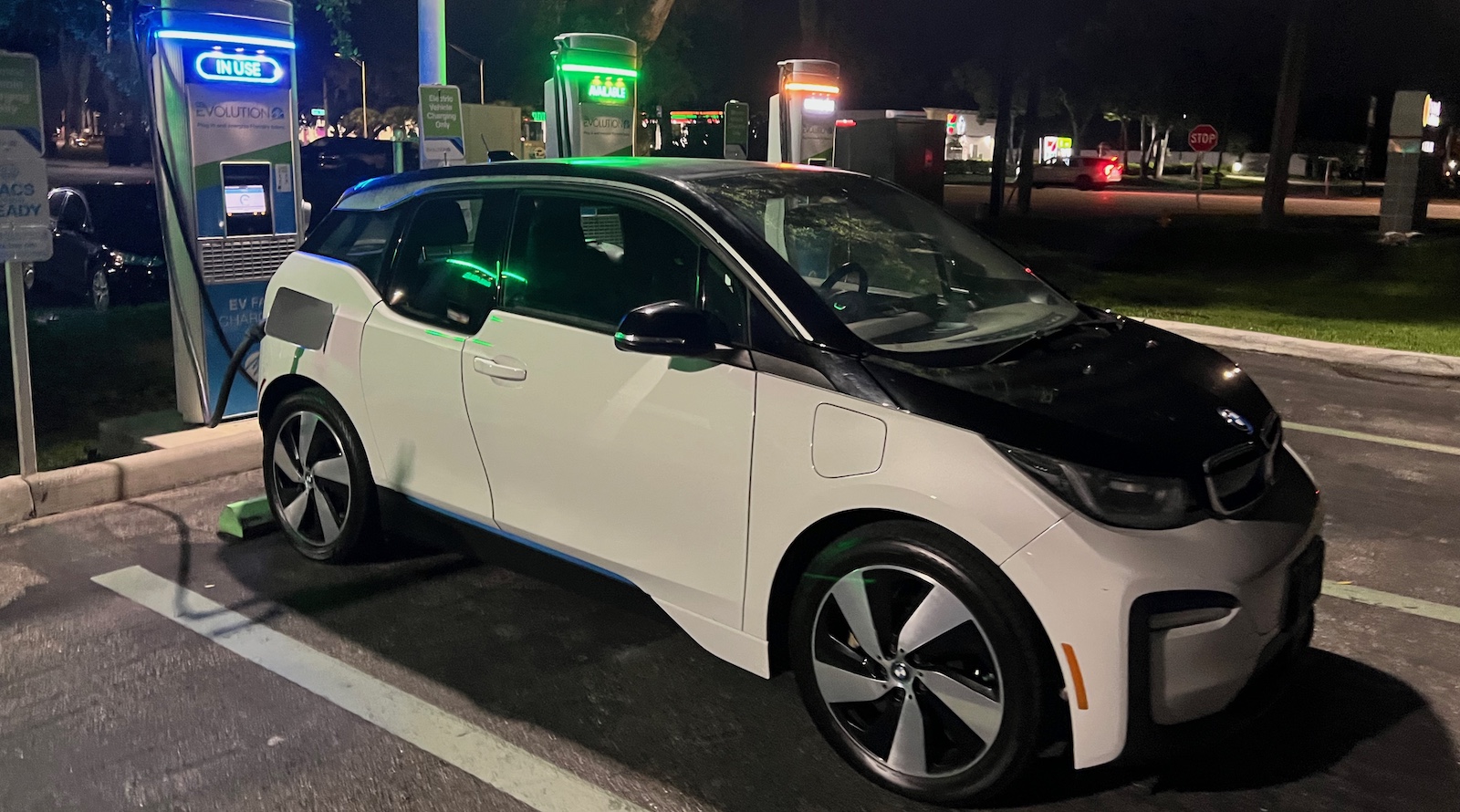
The race to develop ultra-fast electric vehicle (EV) charging stations that mimic the refueling speeds of gasoline stations is encountering significant hurdles, according to a recent CleanTechnica article. While automakers and infrastructure providers are pushing for megawatt-level charging capabilities, current EV technology and infrastructure are not yet equipped to manage these speeds.
Siemens recently completed a pilot program delivering a 1 megawatt (MW) charge to a prototype long-haul electric truck, highlighting the potential for rapid charging in commercial applications. However, this capability remains largely out of reach for passenger vehicles, which are limited by battery technology and thermal constraints.
ChargePoint has announced an architecture supporting up to 1.2 MW, with plans to reach 3 MW in the future, primarily aimed at the trucking industry. The SAE and IEC have published standards for the Megawatt Charging System (MCS), but practical deployments remain limited.
Industry experts, including those from Porsche, caution against the rush to megawatt charging for passenger vehicles, citing risks to battery longevity such as lithium plating and capacity loss. The current practical ceiling for passenger EV charging is around 600 kilowatts, constrained by existing infrastructure and battery technology.
The push for megawatt charging is further complicated by the scarcity of solid-state transformers, which are essential for managing high power levels but remain rare in deployment.