Supreme Court Upholds Birthright Citizenship, Rejecting Trump's Order
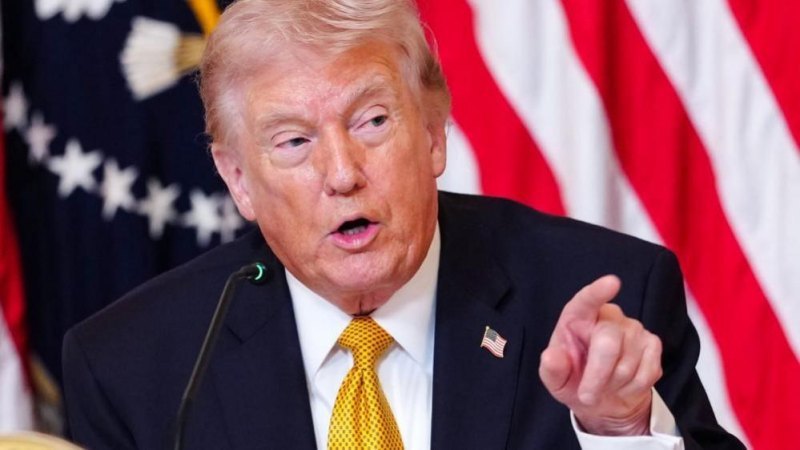
The U.S. Supreme Court has rejected President Donald Trump's executive order aimed at ending birthright citizenship, reaffirming the constitutional guarantee under the 14th Amendment. In a 6-3 decision issued on June 30, 2026, the justices upheld the longstanding precedent that grants automatic citizenship to nearly all individuals born on U.S. soil.
Chief Justice John G. Roberts Jr., writing for the majority, emphasized that the 14th Amendment's Citizenship Clause ensures this right, with only narrow exceptions such as children of foreign diplomats. Justice Brett Kavanaugh concurred with the judgment on statutory grounds, arguing that Trump's order violated federal law rather than the Constitution itself.
Justices Clarence Thomas, Samuel Alito, and Neil Gorsuch dissented, contending that the framers of the 14th Amendment did not intend to extend citizenship to children of undocumented or temporary visitors.
The decision preserves citizenship rights for an estimated 250,000 children born annually in the U.S. to undocumented or temporary resident parents. This ruling continues over 150 years of legal precedent, including the landmark Wong Kim Ark case of 1898, which affirmed birthright citizenship for U.S.-born children of noncitizens.