Supreme Court Rulings Protect Fed Independence, Expand Presidential Power
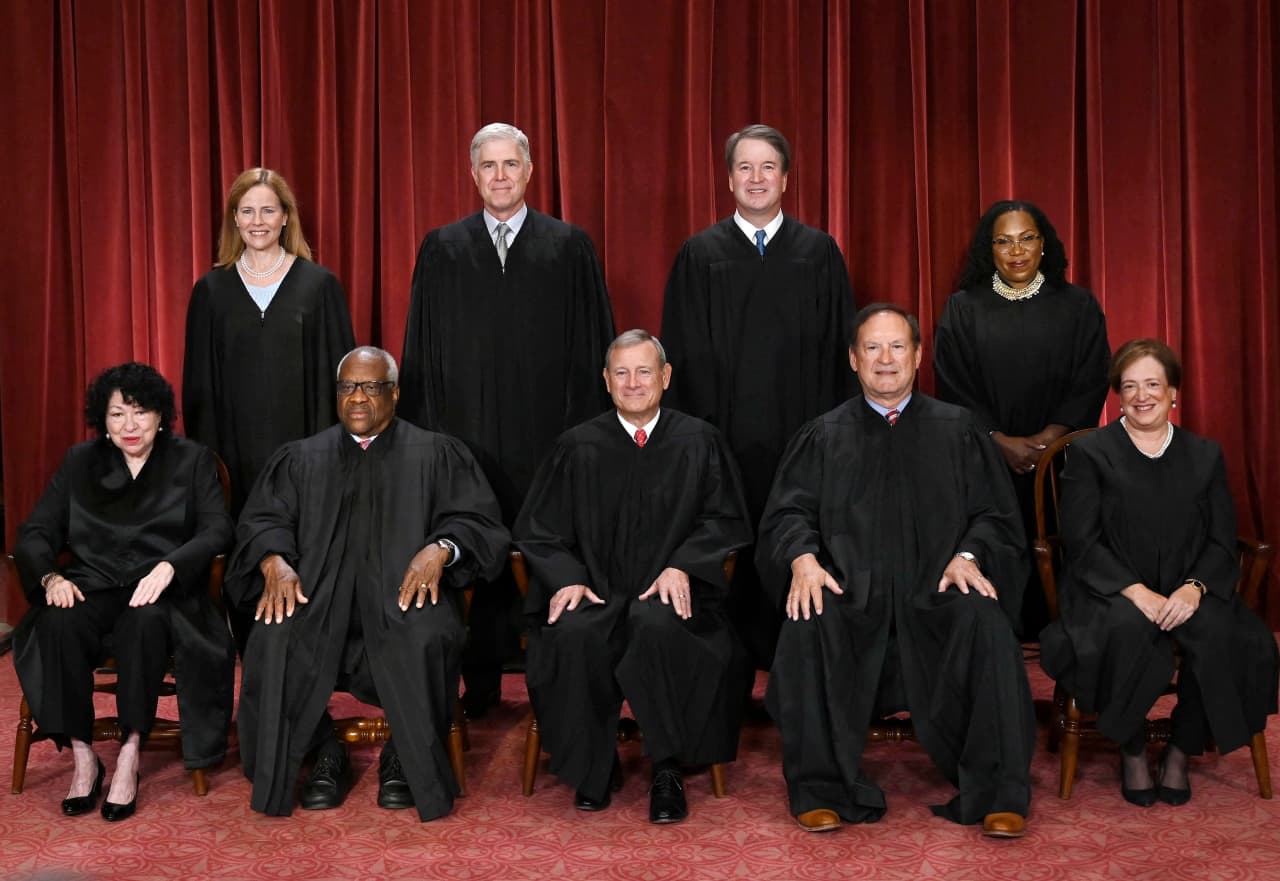
On June 29, 2026, the U.S. Supreme Court delivered two pivotal decisions affecting the balance of power in federal governance. In a 6–3 decision, the Court overturned the longstanding precedent of Humphrey’s Executor, allowing the president to dismiss heads of most independent agencies, such as the FTC and CFPB, at will. This decision significantly expands presidential authority over these entities, with the Federal Reserve remaining as the sole exception.
In a separate 5–4 ruling, the Court blocked an attempt by President Trump to remove Federal Reserve Governor Lisa Cook without due process. The decision, authored by Chief Justice John Roberts, emphasized the importance of maintaining the Fed's independence to ensure credible monetary policy and market confidence. Justice Brett Kavanaugh joined Roberts in the majority, underscoring the critical nature of insulating the Federal Reserve from political pressures.
The rulings have profound implications for financial stability. While the Fed's independence was preserved, the increased presidential control over other agencies raises concerns about the potential erosion of regulatory checks and balances.