SuperCDMS SNOLAB Launches Dark Matter Search in Ontario
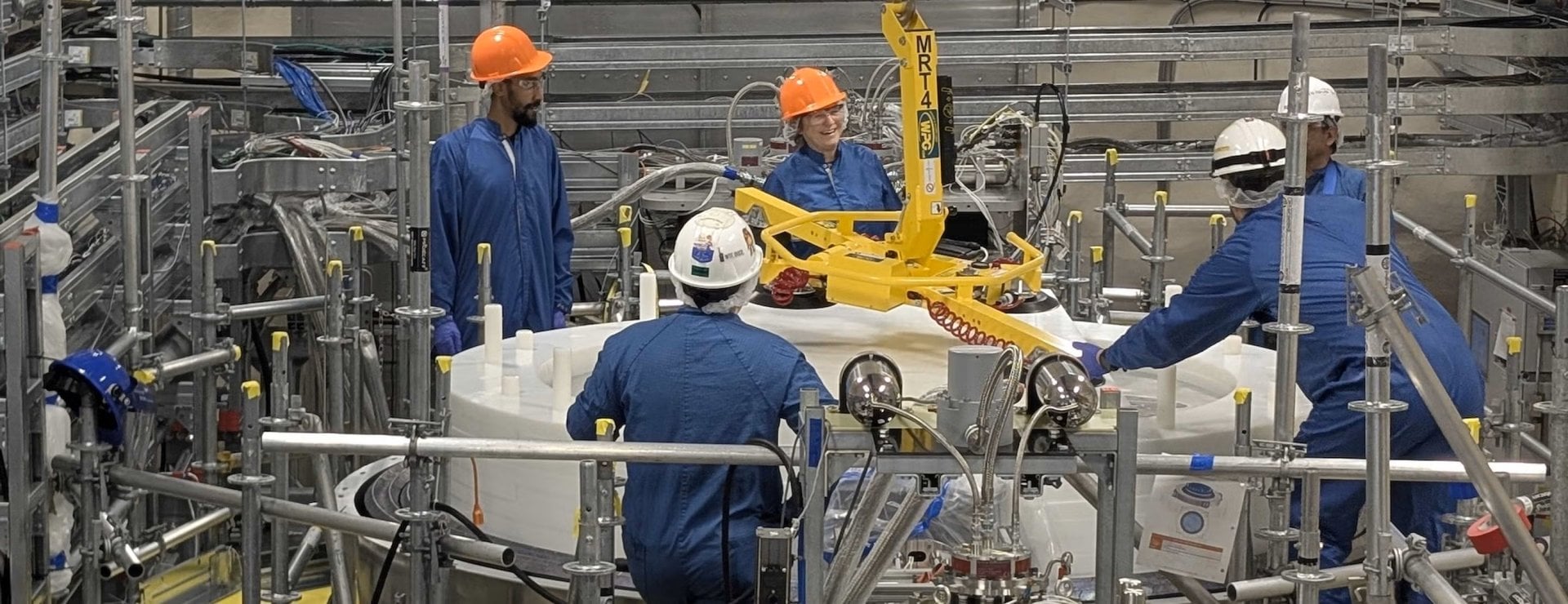
The Super Cryogenic Dark Matter Search (SuperCDMS) SNOLAB has officially begun its scientific operations in Ontario, Canada, as of August 7, 2026. This marks the start of a critical phase in the search for 'light' dark matter particles, which are hypothesized to be less than ten times the mass of a proton.
Located 2 kilometers underground in the Vale mine, SNOLAB provides an ultra-clean and shielded environment essential for the sensitive detection of dark matter. The facility houses 24 ultra-pure silicon and germanium crystals, which serve as the core detection elements in the experiment.
The initial phase of data collection is expected to last a few months, concluding before the annual summer maintenance of the mine. Following this, the team plans to replace a faulty cryogenic component and optimize the system, with full-sensitivity operations anticipated to commence later in 2026 and continue into 2027.
Dr. Tina Cartaro, the SuperCDMS Operations Manager, expressed optimism about the potential for breakthrough discoveries even during this preliminary phase. Prof. Prisca Cushman, the project's spokesperson, highlighted the unprecedented sensitivity of the detectors in exploring regions where the lightest-mass dark matter particles may exist.