Study Reveals Shift in U.S. Extreme Rainfall Patterns Since 1980
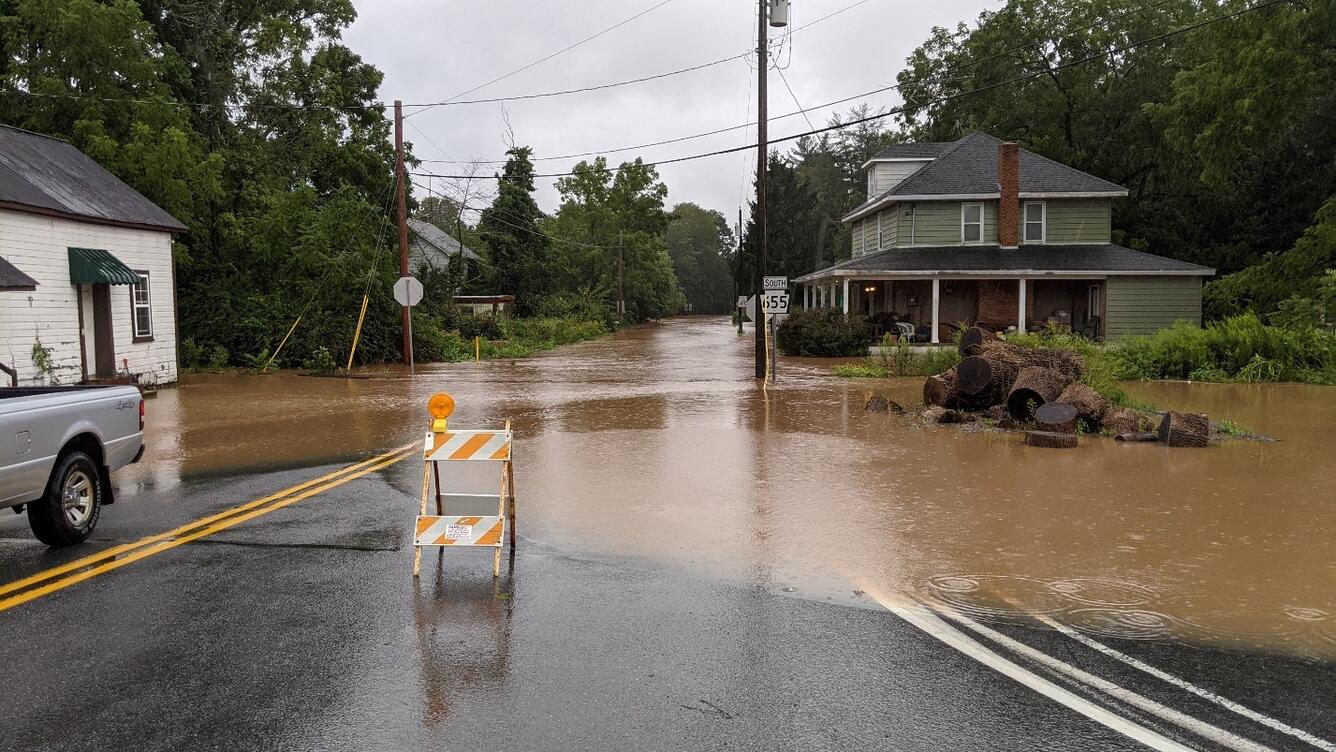
A recent study by researchers at the Lamont-Doherty Earth Observatory has revealed significant changes in the spatial footprint of extreme rainfall events in the contiguous United States since 1980. The findings, published in Geophysical Research Letters, indicate that while the frequency of small-area extreme rainfall events has decreased, large-area events have become more prevalent, particularly in the Eastern U.S.
According to the study, the most destructive extreme precipitation events in the U.S. since 1980 have resulted in over 2,800 deaths and caused $700 billion in damages. These events are increasingly characterized by large-scale phenomena such as atmospheric rivers, hurricanes, and thunderstorm complexes.
The research utilized daily gridded precipitation data from 1980 to 2024, employing a connected-component labeling algorithm to assess trends in the spatial scale of these events. The analysis found a marked increase in the frequency of large-area extreme precipitation events in the Eastern U.S., which has led to a substantial growth in the total yearly area affected by extreme precipitation.
The shift towards fewer but larger-scale events poses heightened risks of widespread flash flooding, challenges for emergency response systems, increased downstream river flooding, and concentrated insurance claims that could strain insurer liquidity.