Study Reveals Neanderthals in Belgium Were Healthy Before Extinction
By David Okafor
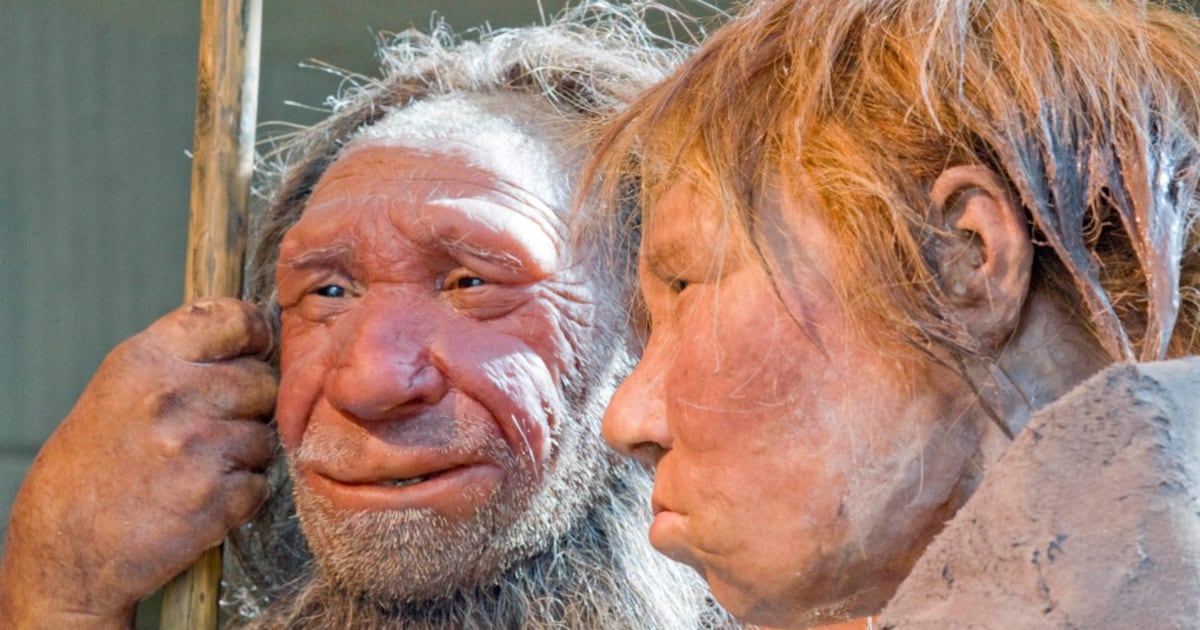
A recent study published in Nature has revealed that a population of Neanderthals in Belgium was genetically healthy and diverse before their extinction, challenging previous theories that inbreeding led to their decline. The research, conducted by Bossoms Mesa et al. from the Max Planck Institute for Evolutionary Anthropology, analyzed DNA from 27 Neanderthal individuals across ten archaeological sites in Belgium and France.
The study found no evidence of inbreeding among these late Neanderthals, with genetic diversity comparable to earlier populations. This undermines the notion that genetic deterioration contributed to their extinction. The research also identified at least four genetically distinct groups within the population, suggesting they thrived in favorable environmental conditions.
The study's findings indicate no gene flow from anatomically modern humans into this group, highlighting their genetic isolation from Homo sapiens at the time. Despite their genetic health, these Neanderthals disappeared around 40,000 years ago, likely due to environmental changes or competition from modern humans.