SpaceX's Starship Test Marks Shift in NASA's Launch Strategy
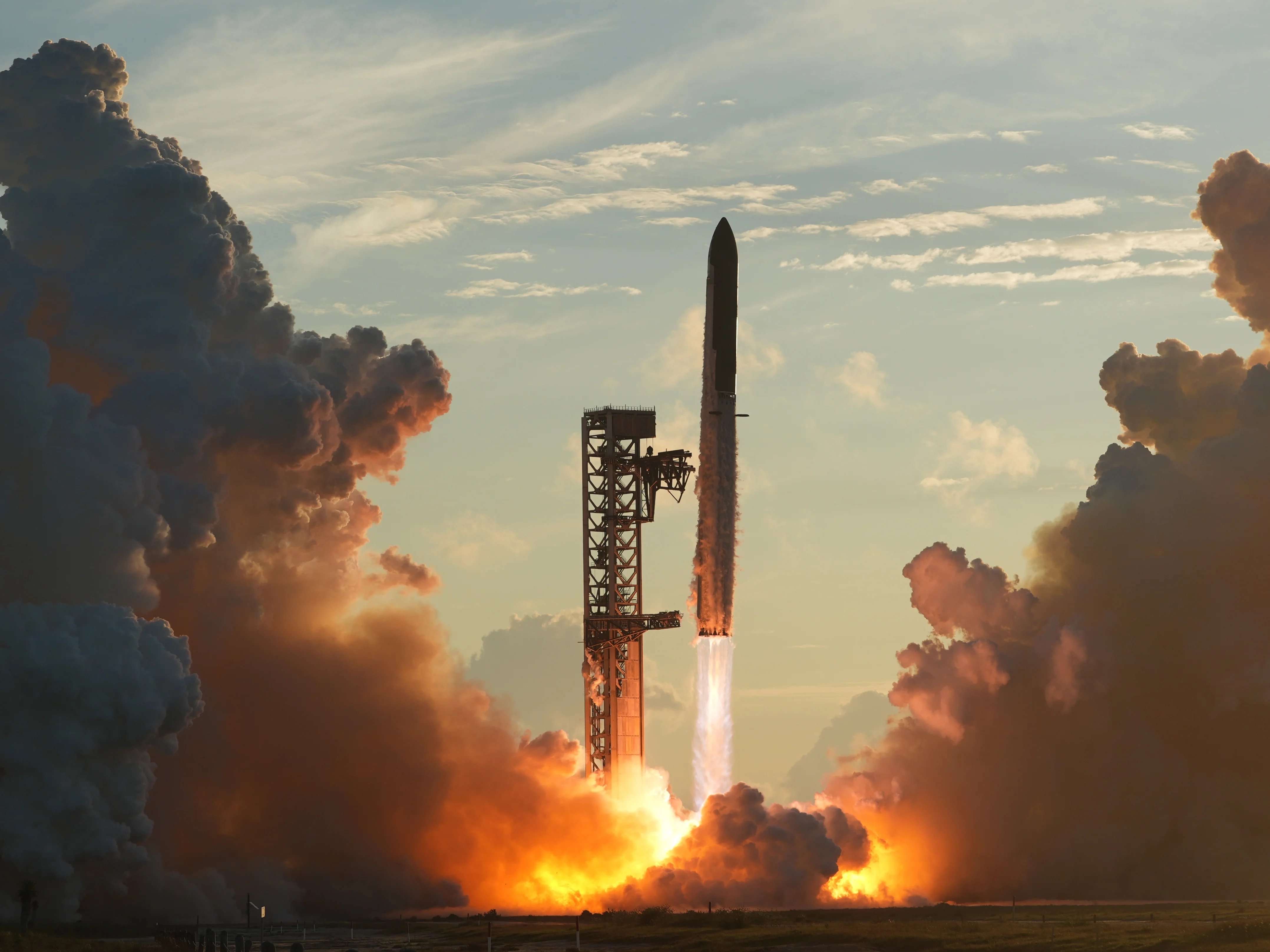
SpaceX is preparing for a critical test flight of its Starship rocket, which, if successful, could redefine NASA's approach to space missions. The test, scheduled to take place later today, involves the Starship lifting off from South Texas, orbiting the Earth, and landing back at the launch pad after 22.5 hours.
This development is part of SpaceX's strategy to phase out the Falcon 9 and Falcon Heavy rockets, which have been NASA's mainstay for missions to the International Space Station (ISS). Elon Musk has confirmed that these vehicles will be retired once Starship becomes fully operational.
Starship's capabilities far exceed those of the Falcon rockets, with the ability to carry over 100 tons to low Earth orbit. The upcoming test, known as Flight 15, aims to achieve simultaneous pad landings of both the Starship and its Super Heavy booster, a significant milestone in reusability.
NASA's reliance on SpaceX has grown, with the agency recently adding three new crewed missions to its Commercial Crew Transportation Capability (CCtCap) contract with SpaceX, bringing the total to 17 missions valued at $946 million through 2030. This comes amid delays in Boeing's Starliner program, which leaves NASA dependent on SpaceX for uninterrupted ISS access.