Space Companies Face Potential Launch Gap Amid Shifting Provider Priorities
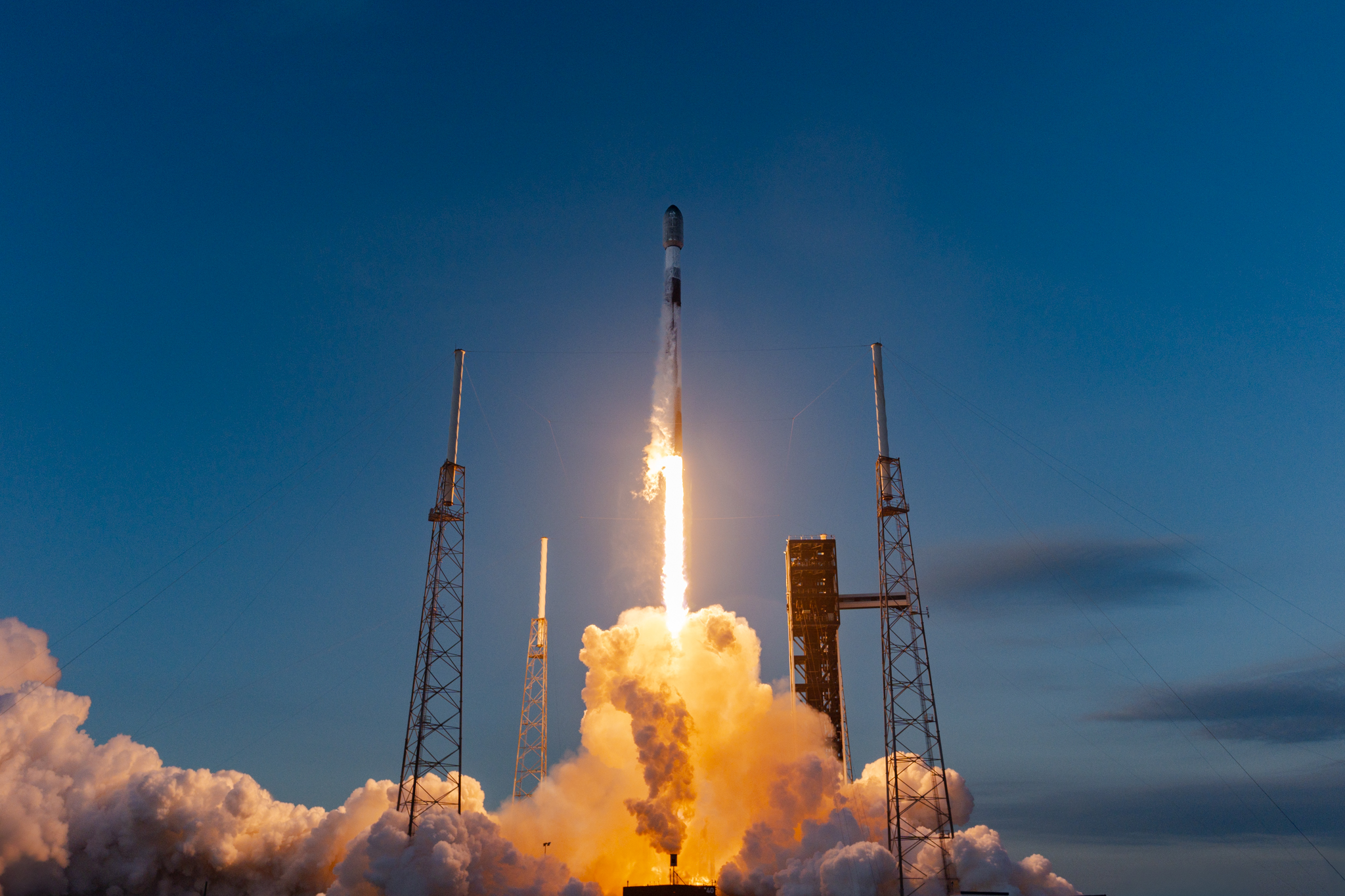
Space companies are confronting a potential launch gap as industry optimism diverges from satellite operators' concerns over launch availability. This tension arises from a projected increase in orbital launch activity, which is expected to grow from 114 attempts in 2020 to 325 by 2025, according to OECD projections.
SpaceX's decision to pivot towards its Starship and Starlink projects, reducing the availability of its Falcon 9 rockets for commercial customers, has exacerbated these concerns. SpaceX, which conducted approximately 165 Falcon 9 launches in 2025, may cease commercial Falcon 9 launches after 2028, leaving operators scrambling for alternatives.
While competitors like Arianespace plan to increase their launch frequency with the Ariane 6, and other companies such as ULA, Blue Origin, and Rocket Lab are expanding capabilities, immediate capacity to fill the gap remains limited. This situation has led to a bottleneck in the commercial launch sector, as highlighted by Space Insight.
Satellite operators are advised to diversify their launch bookings across multiple providers to mitigate the risk of narrowing Falcon 9 slots. Additionally, launch companies are encouraged to accelerate the development of medium- and heavy-lift capabilities and provide clear communication regarding their launch schedules.
Policy interventions could also alleviate these constraints. A report from the Computer & Communications Industry Association (CCIA) suggests that investment in spaceport expansion and regulatory modernization is crucial, given that 175 of 176 U.S. orbital launches occur at just three federal spaceports.