Roman Space Telescope Launches on Journey to Lagrange Point 2
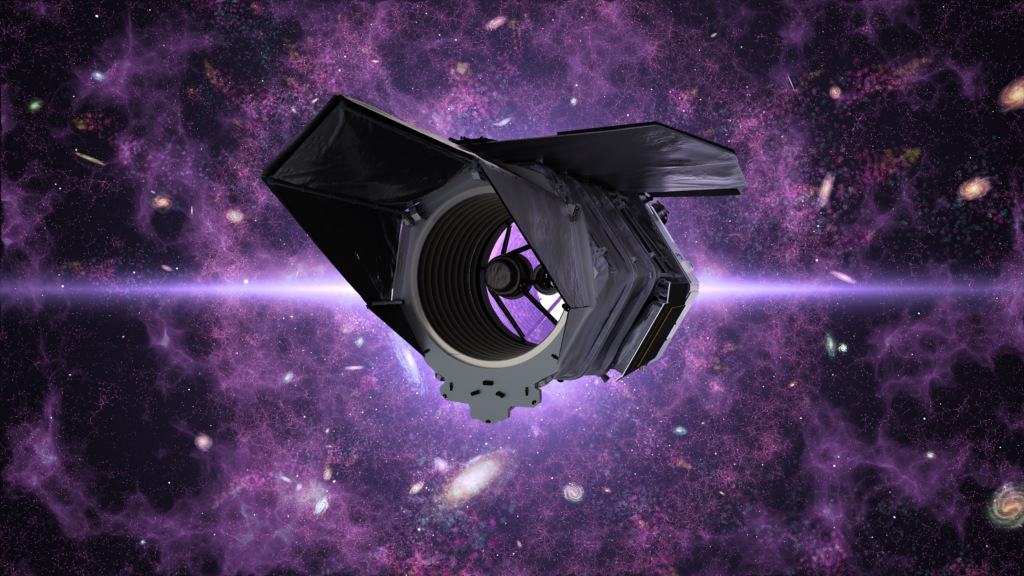
The Nancy Grace Roman Space Telescope successfully launched at 7:26 a.m. EDT on Sunday, August 30, 2026, from NASA’s Kennedy Space Center. The telescope was carried aboard a SpaceX Falcon Heavy rocket, marking the start of its mission to the Sun-Earth Lagrange Point 2 (L2).
The Roman Space Telescope is now on a million-mile trajectory to L2, where it will undergo a three-month commissioning period. This phase includes deploying solar panels and sunshades, activating and calibrating instruments, and conducting fine-guidance checks. Science operations are expected to begin in early 2027, with the first images anticipated shortly thereafter.
Designed as a 'discovery machine,' the telescope boasts a wide field of view that is at least 100 times larger than that of the Hubble Space Telescope. Its primary scientific objectives include mapping hundreds of millions of galaxies to probe dark energy, charting dark matter's structure and distribution, and discovering exoplanets through microlensing.
The mission launched nine months ahead of its original schedule, overcoming previous delays due to the pandemic. Morgan Van Arsdall, NASA Roman Operations Manager, highlighted the mission's potential impact, stating that it could significantly alter current understandings of the universe's structure.