Pastoralists' Resilience Offers Lessons for a Drier Future
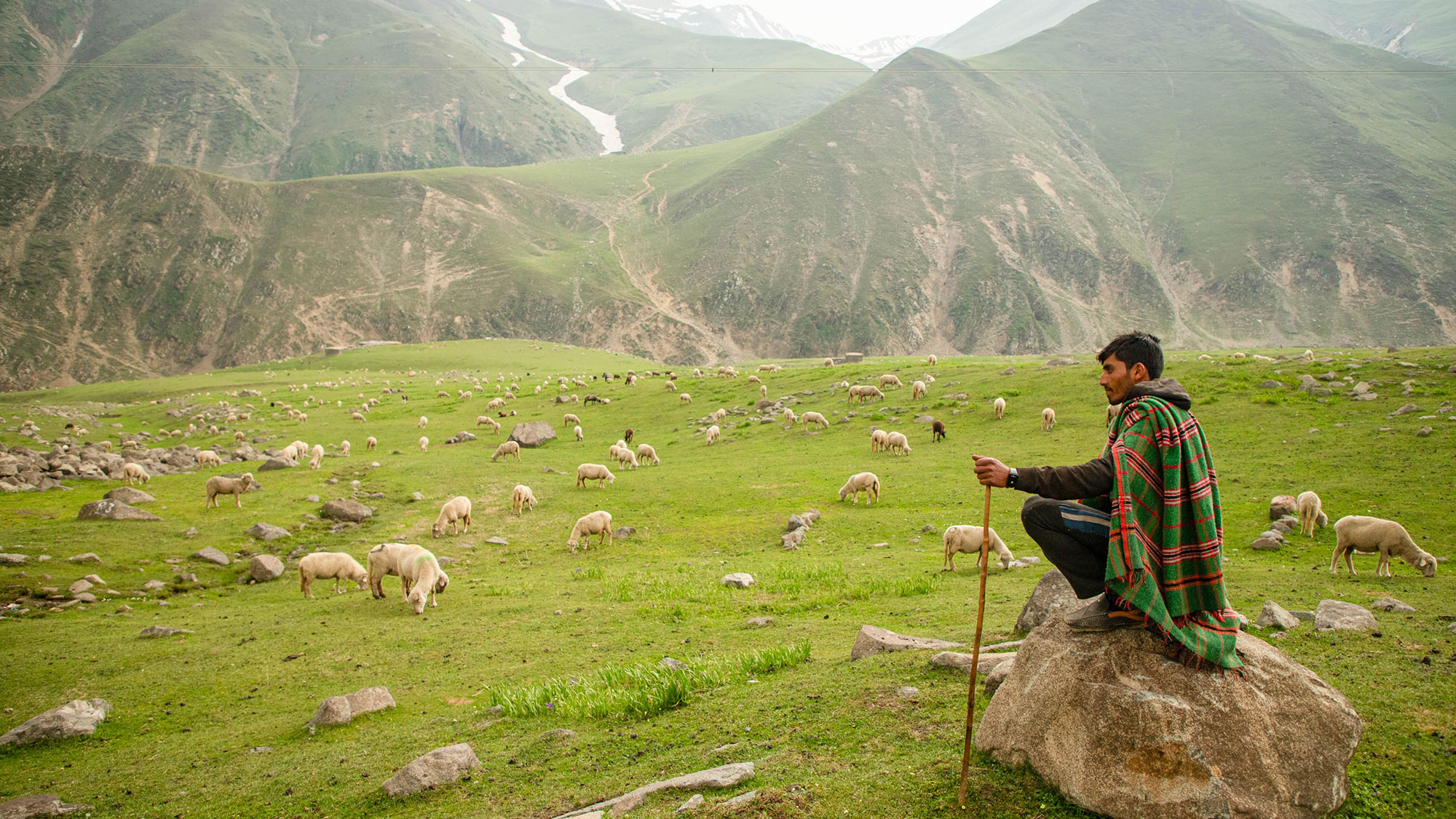
Pastoralists, who manage nearly half of the world's terrestrial land area, are demonstrating resilience to climate change through centuries-old practices rooted in mobility and traditional knowledge. These practices allow them to thrive despite increasing drought conditions, offering valuable lessons for sustainable land use globally.
Research indicates that mobile pastoralism, such as transhumance, significantly buffers income losses during droughts compared to sedentary systems. In semi-arid regions like southern Morocco, mobile pastoralism can reduce income losses by up to 11% under declining rainfall scenarios. This adaptability is crucial as climate variability intensifies.
The Food and Agriculture Organization highlights pastoralism's capacity to adapt to variable climate conditions, providing ecosystem services like biodiversity conservation and soil health. Pastoralists' management of rangelands also supports water security, acting as a nature-based solution amid threats from glacier melt and drought.
In Eastern Africa, the EU-funded PLACE initiative invests EUR 47 million to enhance pastoral mobility and rangeland management, underscoring the importance of cross-border collaboration in climate resilience strategies.
As the world faces increasing resource stress, the traditional knowledge and practices of pastoralists offer a model for preparing for a hotter, drier future.