Orbital AI Data Centers Face Significant Physical and Economic Barriers
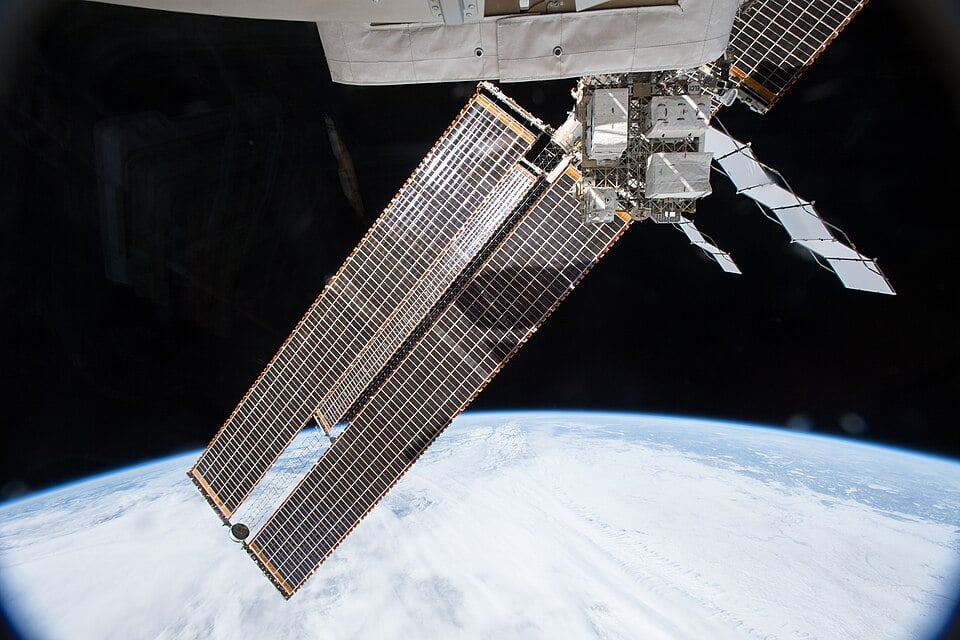
Efforts to establish orbital AI data centers face substantial physical and economic challenges, according to a recent study by Dr. Slava Turyshev of NASA's Jet Propulsion Laboratory. The study, published as a preprint on arXiv, critiques the feasibility of leveraging solar energy in space for AI processing power.
Turyshev's analysis reveals that the physical constraints of space-based data centers, such as the need for extensive photovoltaic and radiator areas, significantly limit their practicality. For a 1 MW high-sunlight cluster, the required photovoltaic area is estimated at 5,640 m², with a radiator area of 2,500 m². The total mass for photovoltaic, storage, and radiator components is calculated at 29.4 kg per kW, increasing to 34–59 kg/kW when accounting for fixed spacecraft mass.
Economically, the study highlights that the costs associated with launching and building these centers far exceed current benchmarks. Terrestrial infrastructure costs, ranging from $10,000 to $40,000 per kW, translate to an allowance of just $250–1,000 per kg for combined launch and build costs. This is 3.4–13.5 times lower than the current Falcon 9 dedicated LEO launch price benchmark alone.
Turyshev suggests that while orbital AI centers may not be economically competitive for general-purpose terrestrial computing, they could find niche applications in space-native preprocessing or communications-integrated edge computing. However, these applications require conditions of low communication intensity, high utilization, long operational lifetimes, and very low launch-plus-build costs.
A companion preprint by Turyshev in August 2026 further details the operational challenges, estimating that a 1 MW cluster would require approximately 393–419 standardized operations per MW-year, with logistics demands of 5.3–9.0 tonnes per MW-year.
These findings underscore the significant hurdles that must be overcome before orbital AI data centers can become a viable alternative to terrestrial computing solutions.