Oil Prices Experience Largest Quarterly Decline in Six Years
Oil prices are on track for their largest quarterly decline in six years, driven by a combination of eased supply constraints and reduced demand from China. The International Energy Agency (IEA) reports that workarounds for the Strait of Hormuz chokepoint have played a crucial role in restoring oil flows, which had plummeted from 20 million barrels per day (bpd) to just 2.7 million bpd during March to May.
These logistical adjustments, along with inventory draws and strategic stock releases, have helped offset the supply shock. The total volume loss of over 1.3 billion barrels has been partially mitigated by these measures.
In addition, China's crude imports have significantly declined, easing pressure on the global oil market. Data from S&P Global indicates a 14.6% year-on-year decrease in China's crude imports, dropping to 9.69 million bpd in May, the lowest level in five months. This reduction is attributed to independent refiners destocking amid tight quotas and early refinery maintenance.
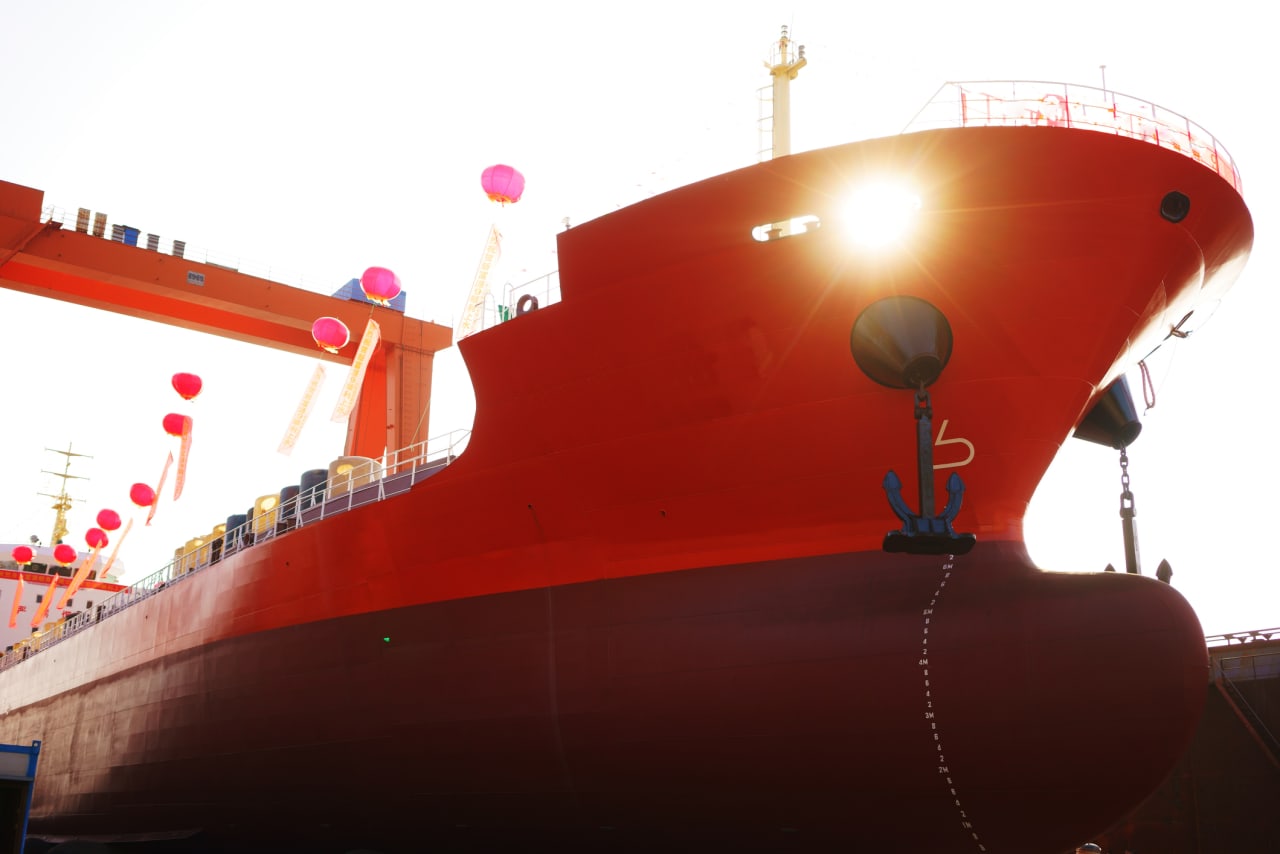
Furthermore, the resumption of tanker traffic through the Strait of Hormuz has contributed to the price decline. Over 35 million barrels have recently passed through the strait, helping to lower both Brent and U.S. crude prices.
The convergence of these factors has led to the notable quarterly price drop highlighted by MarketWatch, as supply-side workarounds and demand compression continue to shape the oil market.