Nicaragua's Ortega Declares End to Elections, Citing Opposition Threat
By David Okafor
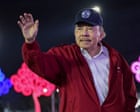
Nicaraguan President Daniel Ortega has announced that the country will no longer hold elections, a decision aimed at preventing the opposition from gaining power. Ortega, who has been in office since 2007, made the declaration on July 19, 2026, during a ceremony commemorating the 47th anniversary of the Sandinista revolution.
Ortega stated, "There won’t be any more elections here for them to try to seize the government and seize power." He further pledged to collaborate with the National Assembly, which he controls, to enact laws that would "build a wall" against what he described as "coup plotters and traitors."
This announcement follows a pattern of increasing authoritarianism in Nicaragua. The last presidential election in 2021 was widely criticized for its lack of legitimacy, marked by the detention of opposition figures and suppression of dissent. In 2025, constitutional amendments extended the presidential term to six years and elevated Ortega’s wife, Rosario Murillo, to co-president, further consolidating power within the family.
Experts, such as Tiziano Breda from the NGO Armed Conflict Location and Event Data, view this development as a shift towards a family dictatorship. Opposition leaders interpret Ortega’s move as an indication of his fear of losing power through electoral means. Ortega’s current term is set to end in 2027, but with this announcement, he effectively eliminates electoral competition in the foreseeable future.