New Study Suggests Moon Once Had a Magnetic Field
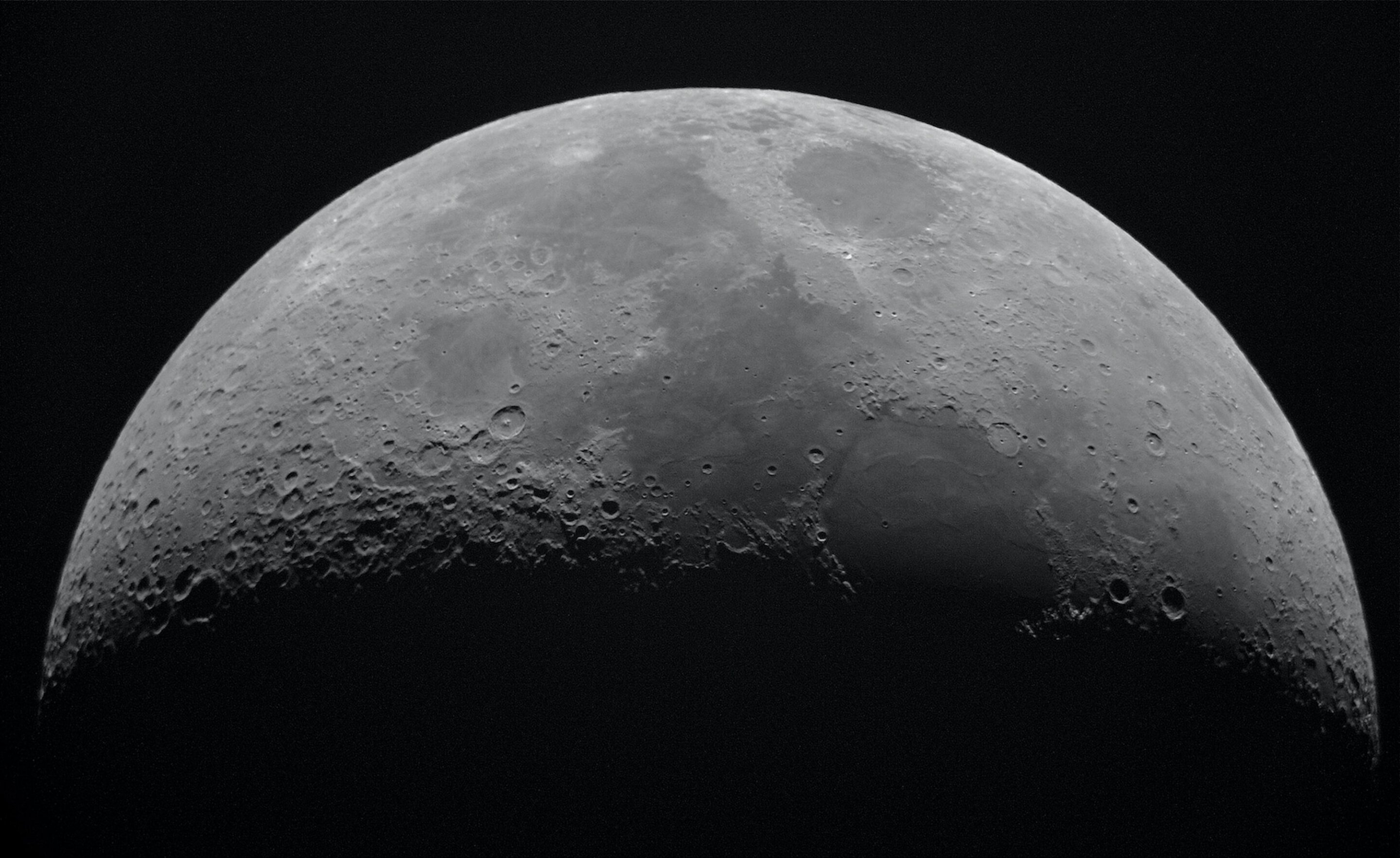
A recent study conducted by scientists from ETH Zurich, DLR, and TU Berlin suggests that the Moon may have once possessed an internally generated magnetic field, known as a dynamo, approximately 4.2 billion years ago. This discovery, published in Science Advances, adds a new dimension to our understanding of lunar history.
The research focused on the Dewar region on the Moon's far side, which exhibits both strong magnetic and gravity anomalies. By analyzing gravitational data from NASA's GRAIL mission and magnetic field measurements from Lunar Prospector and Kaguya, the researchers identified a dense, heavily magnetized subsurface body approximately 60 kilometers wide and 9 kilometers deep. This body is believed to be solidified magma from beneath the lunar crust.
The study estimates that the magnetic field strength during this period was greater than 10 microteslas (μT), which is significant when compared to Earth's current average field strength of about 50 μT. The findings rule out the possibility of transient impact-related magnetization, suggesting instead a sustained core dynamo origin.
Further implications of the study include the detection of a lunar swirl above the magnetic anomaly, which suggests that horizontal magnetic fields could deflect solar wind and preserve brighter surface features. This phenomenon may have potential applications for future astronaut protection strategies.
While the study supports the existence of an early lunar dynamo, it leaves open questions about the mechanisms that could have allowed the Moon's small core to generate such strong fields. This discovery opens new research avenues into lunar interior dynamics and the mechanics of dynamo generation.