NASA's Perseverance Rover Discovers Complex Organic Matter on Mars
By David Okafor
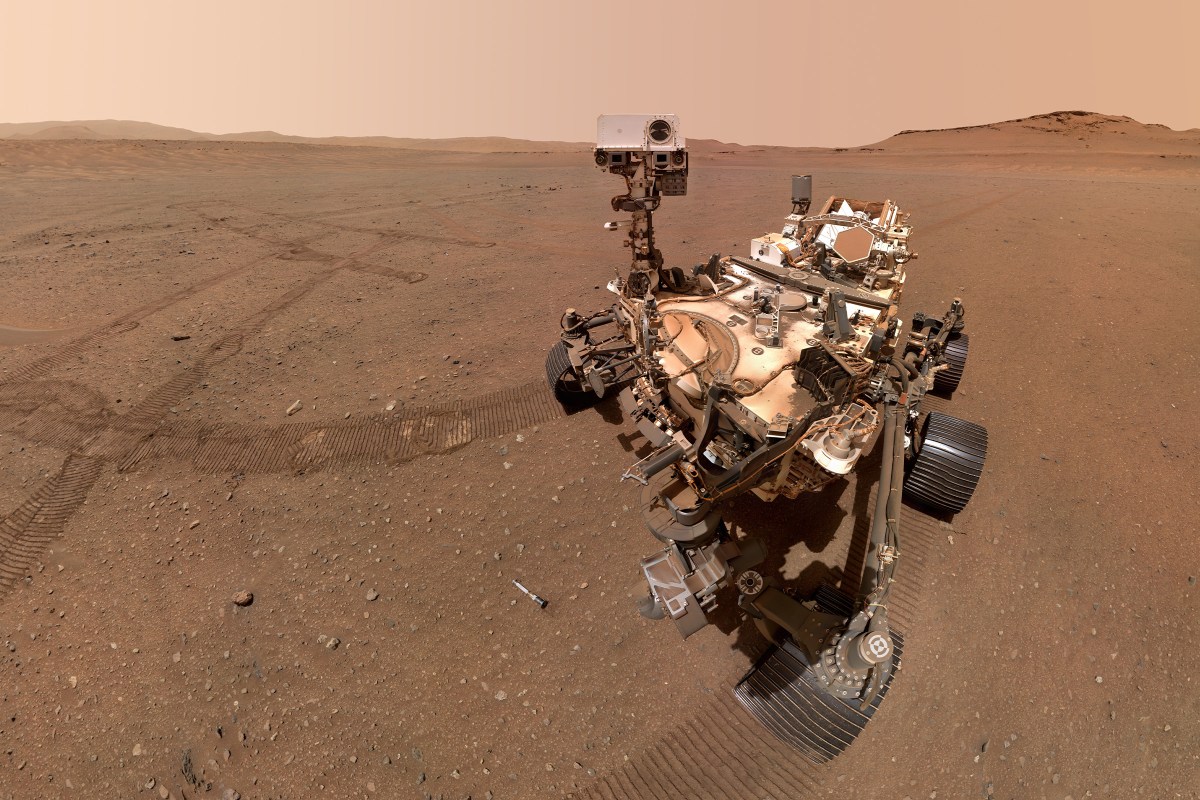
NASA's Perseverance rover has detected complex organic matter in Martian rocks, according to a study published in the journal Science Advances. This discovery, made in the Jezero Crater's Bright Angel region, represents the most robust organic detection in the area to date.
The rover identified macromolecular organic carbon in two mudstone samples. In one sample, the carbon was intermixed with silicate minerals, while in the other, it was associated with secondary carbonate and sulfate minerals. Scientists have noted that this is the first detection of macromolecular carbon on a natural rock surface on Mars outside of Gale Crater, suggesting that organics may have been widespread billions of years ago.
The carbon found was relatively intact, possibly due to recent exposure or its resistance to radiation and oxidation. While potential chemical textures akin to those left by microscopic life were observed, scientists caution that abiotic origins, such as meteorite delivery or hydrothermal processes, remain plausible.
Previously, in 2024, the rover collected a sample named "Sapphire Canyon" from the Cheyava Falls rock in Neretva Vallis, which contained potential biosignatures. This sample was noted for its "leopard spot" pattern and the presence of vivianite, a mineral often found around decaying organic matter on Earth, although this was not conclusive of life.