NASA Study Confirms Mars Terraforming Impossible with Current Technology
By Priya Anand
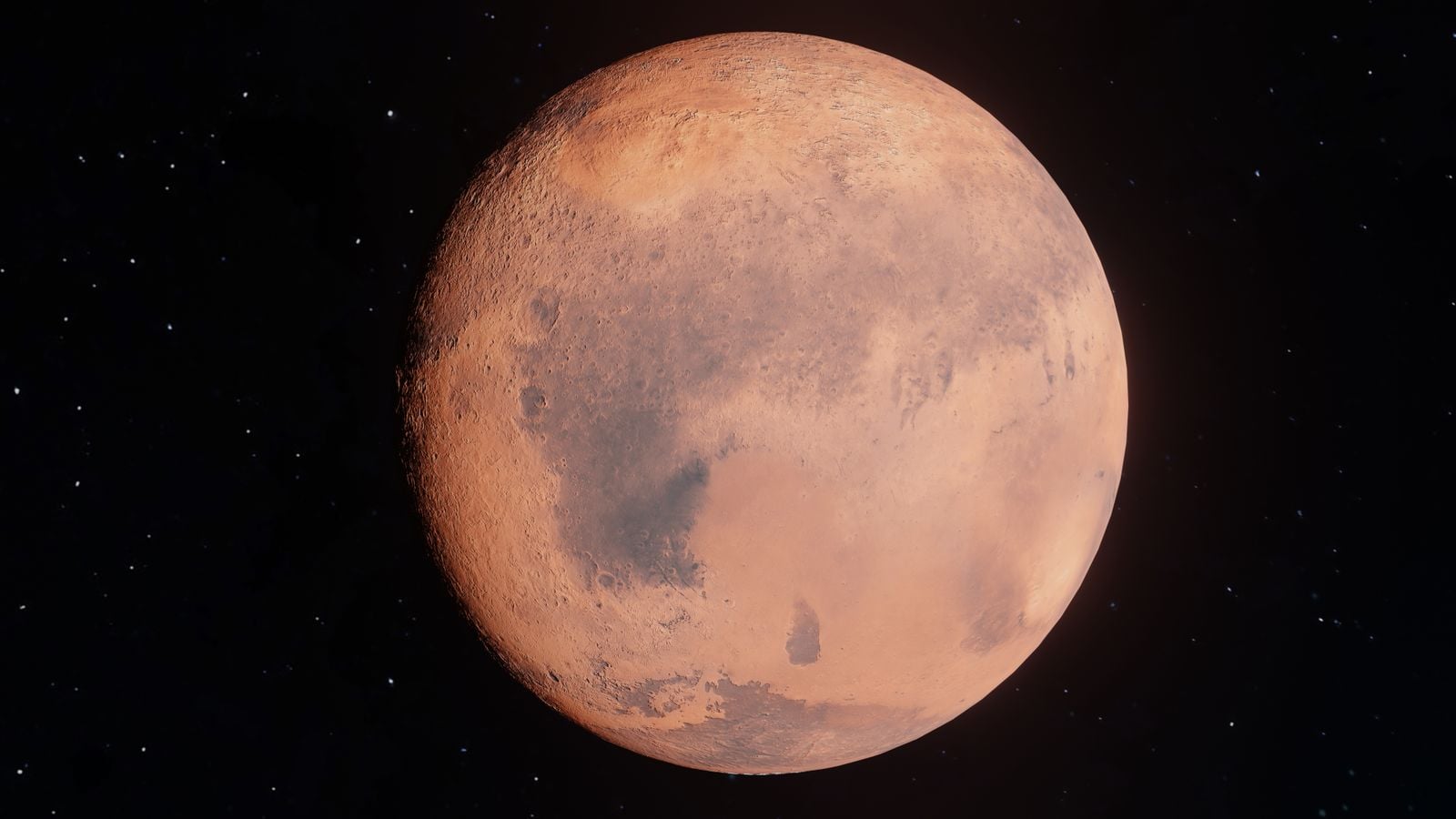
A NASA-funded study has determined that Mars cannot be terraformed with present technology, a finding that underscores the challenges of creating Earth-like conditions on the Red Planet. The study, published in Nature Astronomy, analyzed data from two decades of spacecraft observations, including those from NASA’s Mars Reconnaissance Orbiter and MAVEN.
The research concluded that Mars lacks the necessary accessible carbon dioxide (CO₂) to thicken its atmosphere and increase surface temperatures to habitable levels. Vaporizing Mars' polar CO₂ ice would only double its current atmospheric pressure, reaching just 1.2% of Earth's atmospheric pressure.
Further analysis revealed that heating Martian soils and accessing shallow carbon-bearing minerals would contribute less than 10% of the required atmospheric pressure. The possibility of extracting CO₂ from deep crustal minerals remains uncertain and would require energy levels far beyond current capabilities.
Alternative methods, such as redirecting comets or asteroids to Mars, were deemed impractical due to the sheer number required. A recent analysis by Slava G. Turyshev supports these findings, estimating that creating a human-relevant atmosphere would demand industrial power on a scale not currently feasible.
These findings indicate that any human settlement on Mars would require sealed and controlled environments, as full-scale planetary transformation remains out of reach.