NASA Explores New Method to Study the 'Ignorosphere'
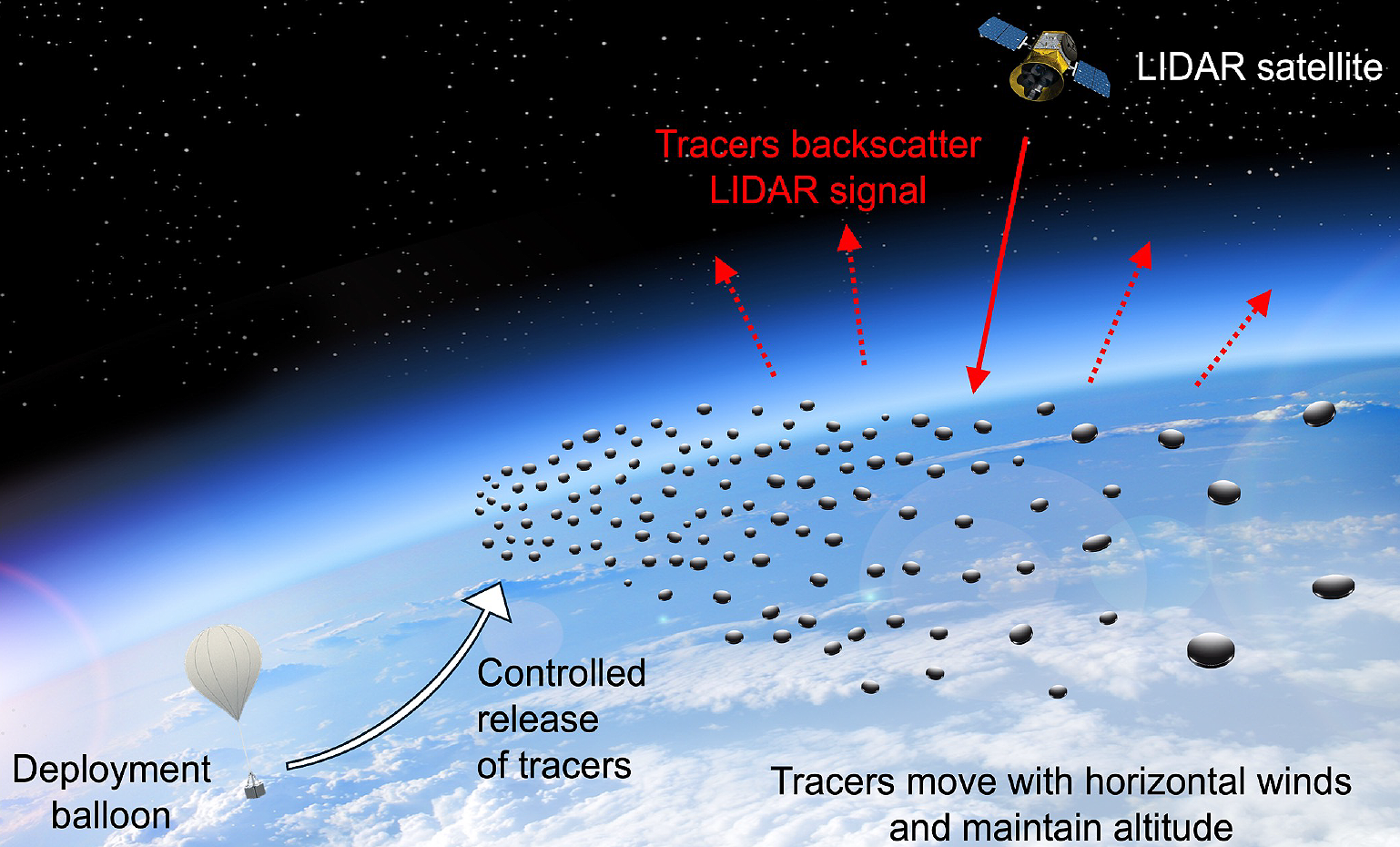
NASA is advancing efforts to study the 'ignorosphere,' a challenging atmospheric region between 30 and 100 kilometers above Earth, by funding a novel project that could significantly enhance understanding of this area. This region, located above the reach of traditional balloons and below satellite orbits, plays a crucial role in global climate dynamics but remains poorly understood due to limited data collection capabilities.
The project, led by Benjamin Schafer of Rarefied Technologies, has received funding from the NASA Institute for Advanced Concepts (NIAC). It proposes deploying thousands of microscopic sensors that utilize the photophoretic effect to float autonomously in this atmospheric layer. These sensors are designed with a transparent top and a dark bottom, allowing them to harness sunlight for propulsion, maintaining their position in the desired altitude range.
Deployment of these sensors would be achieved using sounding rockets or high-altitude balloons, initially reaching around 30 kilometers before ascending to altitudes as high as 100 kilometers. Although the sensors lack onboard telemetry due to weight constraints, they can be tracked from orbit using LIDAR-equipped satellites, which detect signals reflected from the sensors.
The potential advantages of this approach include the ability to gather data over several months, providing a high spatial and temporal resolution of atmospheric dynamics. However, challenges remain, such as the sensors' tendency to descend at night when sunlight is unavailable and the complexity of managing data from numerous small reflectors.
Currently in its Phase I stage, the project has secured several hundred thousand dollars in funding, with hopes for further development in a potential Phase II. If successful, this initiative could provide unprecedented insights into the ignorosphere, a region previously accessible only through short-lived sounding rocket experiments.