NASA Aircraft Captures Solar Eclipse Data to Study Sun's Corona
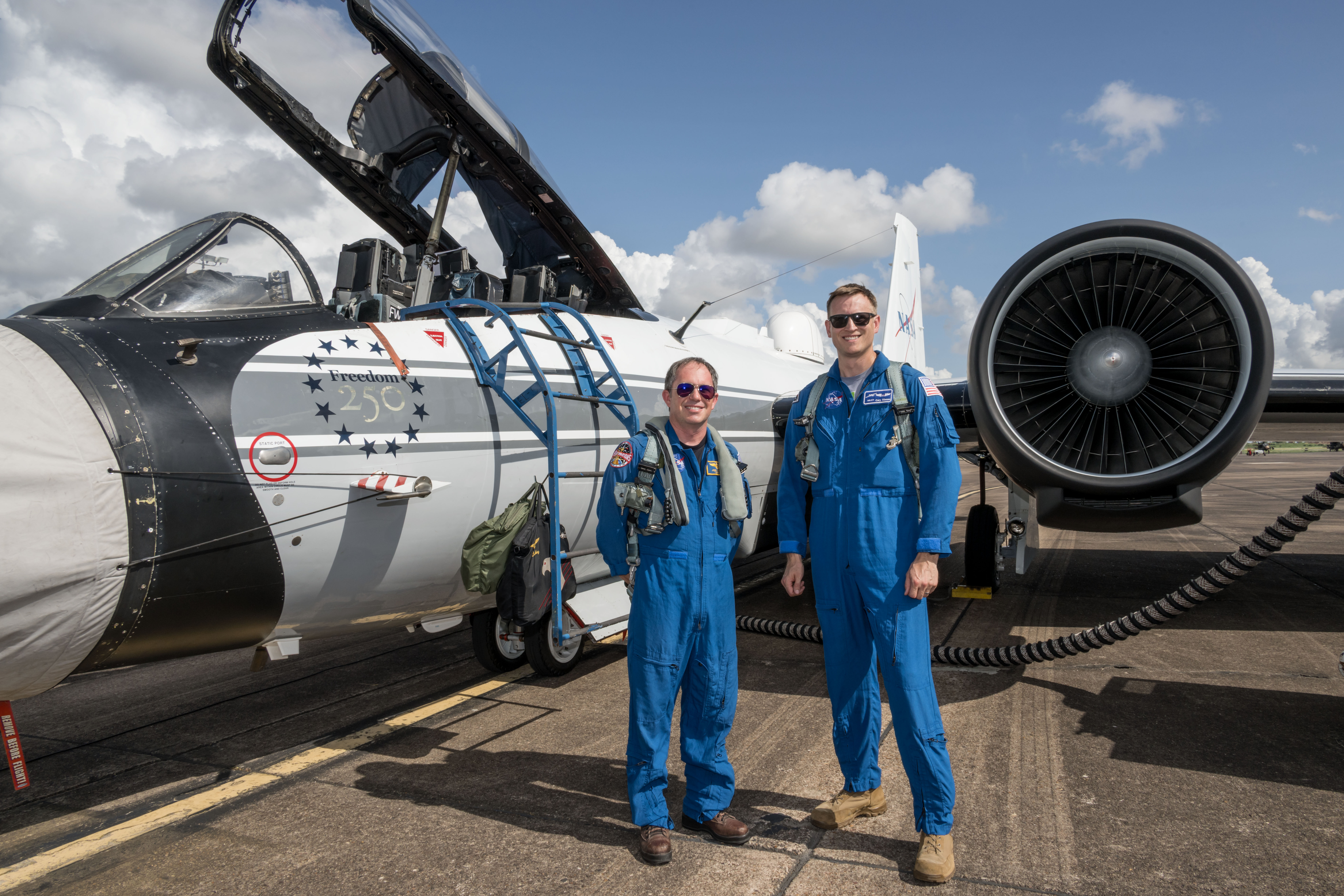
NASA's Johnson Space Center successfully deployed its WB-57F high-altitude research aircraft to capture data during the total solar eclipse on August 12, 2026, over Europe. The mission, based in Iceland, aimed to investigate why the Sun's corona is significantly hotter than its surface.
The aircraft, flying at approximately 50,000 feet, positioned itself precisely along the eclipse's path of totality. This altitude allowed the aircraft to avoid atmospheric interference, such as clouds and dust, enabling the capture of infrared wavelengths that are typically absorbed lower in the atmosphere.
Instrumentation aboard the WB-57F conducted coordinated imaging, with the camera operator adjusting focus and exposure in real time to maximize scientific yield. Tom Parent, a NASA pilot, emphasized the extensive coordination required between the science team and flight crew. Amir Caspi, a principal investigator from the Southwest Research Institute, noted the critical role of the WB-57F, especially given the eclipse's path over often cloudy oceanic regions.
The mission successfully obtained solar corona measurements at nine distinct wavelengths, from visible to infrared spectra. This comprehensive data collection is expected to provide insights into the longstanding mystery of the corona's higher temperatures compared to the Sun's surface.