Moon's Shrinkage Poses Potential Hazard for Future Lunar Missions
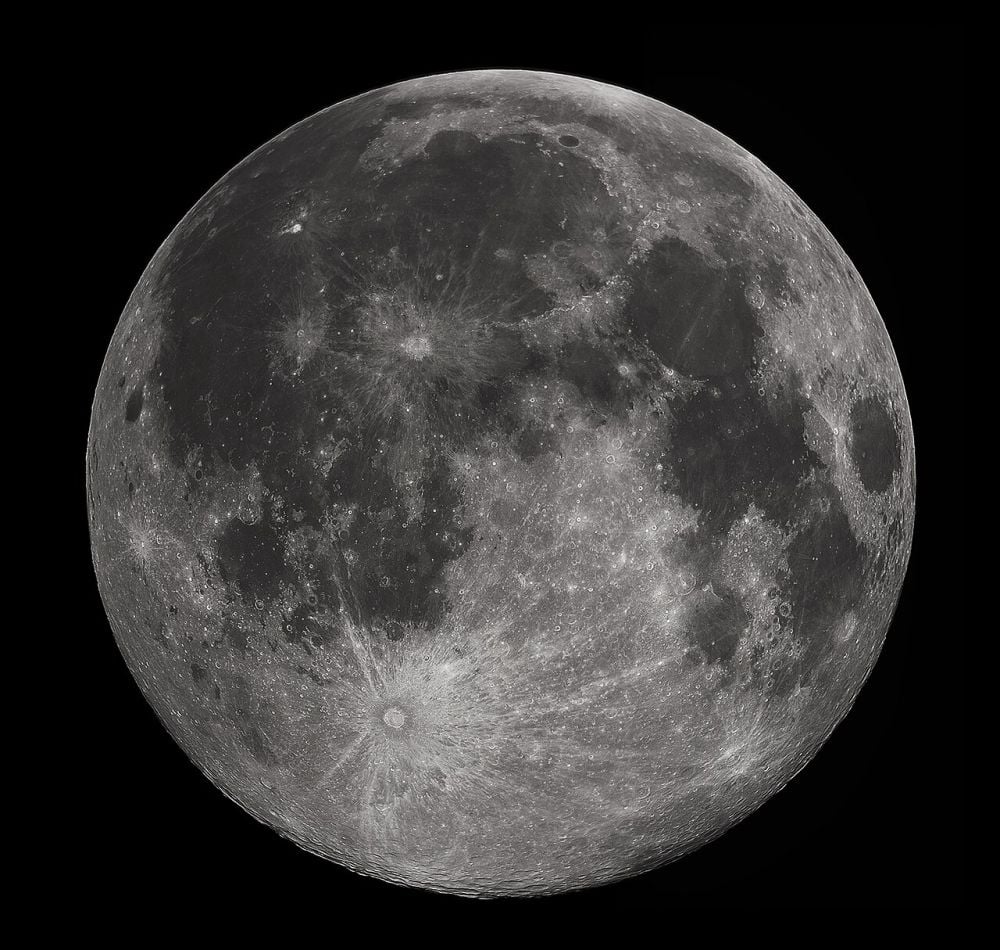
The Moon is gradually cooling and shrinking, a process that could pose a hazard for future lunar missions, according to a study published in the Planetary Science Journal on October 14, 2026. Researchers have calculated a contractional strain of approximately 0.0048% to 0.0053% over the last 400 million years, equating to a maximum shrinkage rate of about 11 centimeters per million years.
NASA has corroborated these findings, noting that as the Moon's interior continues to cool and contract, young thrust faults across the lunar surface produce shallow moonquakes. These seismic activities, although modest, can trigger regolith landslides, particularly in the South Pole regions targeted by upcoming Artemis missions.
Models indicate that even light seismic shaking could destabilize slopes several kilometers from the source, emphasizing the need for expanded seismic monitoring to assess potential hazards for future lunar missions. Earlier research has dated some lunar scarps to as recently as 132 million years, with horizontal shortening averaging 126 meters per scarp.
A Smithsonian/NASA press release highlighted the Lee-Lincoln scarp near the Apollo 17 site, where multiple co-seismic slip events over millions of years likely triggered a landslide. While the probability of a strong quake during Apollo 17 was extremely low, the findings underscore the vulnerability of lunar settlements and landers to ground motion.