Moonquakes Offer New Method to Detect Lunar Ice
Scientists have found a novel method to detect potential water ice on the Moon by utilizing seismic waves generated by moonquakes. This approach could significantly enhance the search for lunar ice, a critical resource for future lunar missions.
Shallow moonquakes, which are the most energetic seismic events on the Moon, produce high-frequency energy ideal for probing the subsurface. These quakes, with magnitudes ranging from 4 to 6.5, occur at depths between 0 and 250 kilometers, often near tectonic scarps. Their energy can help map subsurface heterogeneities, including potential ice deposits.
Historically, the Apollo missions provided valuable seismic data, but sparse seismometer placement led to significant location uncertainties, averaging 400 kilometers for deep moonquakes. To improve accuracy, future lunar missions will require more densely packed seismic networks, particularly near the lunar South Pole, where ice is most likely to be found.
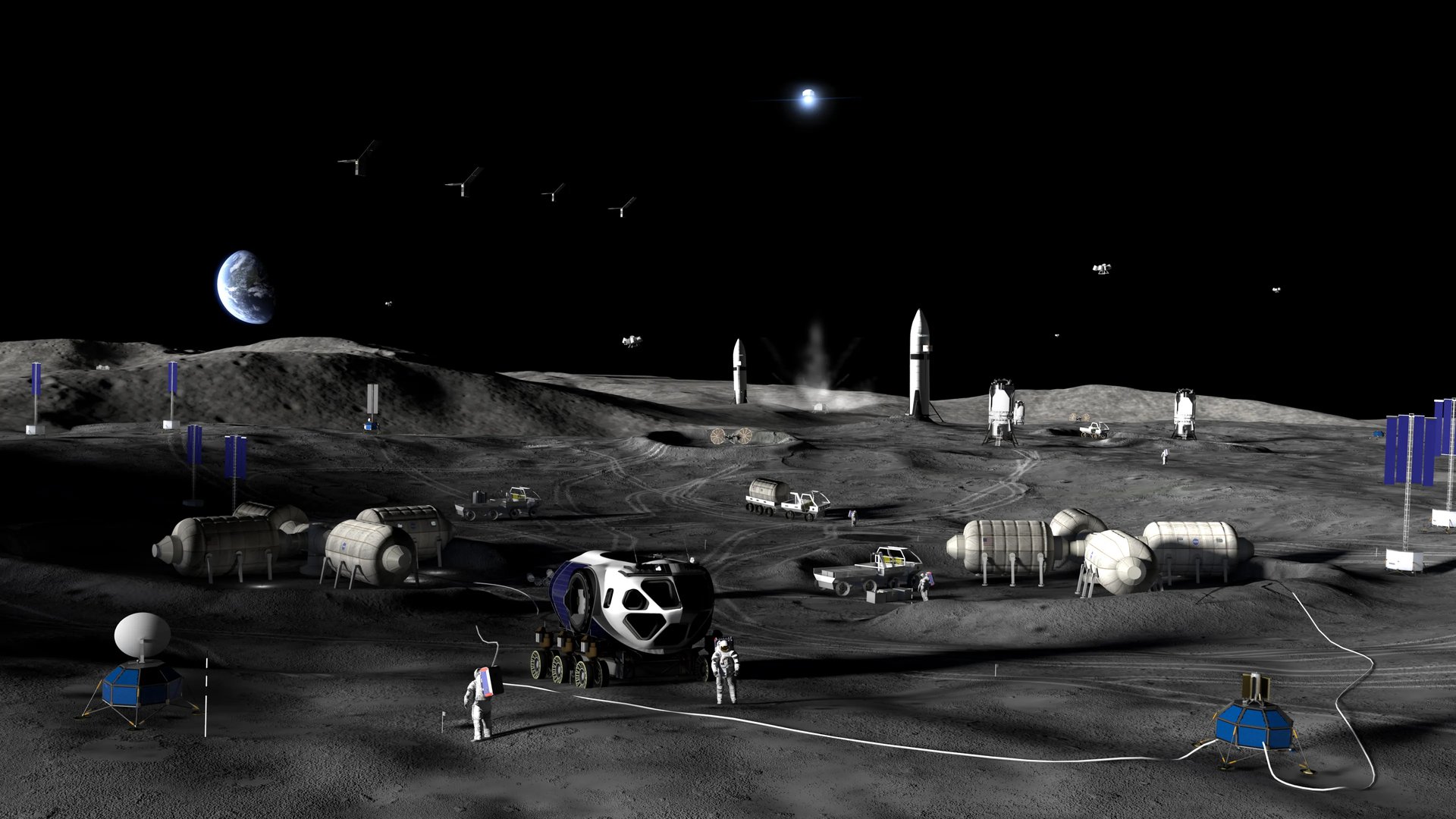
This method aligns with NASA's Artemis program, which targets the lunar South Pole for exploration. The presence of shallow moonquakes in this region could inform both hazard assessments and resource mapping, aiding in the identification of water-ice concentrations in permanently shadowed areas.