Mediators Overcome Tensions to Broker U.S.-Iran Deal Amid Ongoing Challenges
By David Okafor
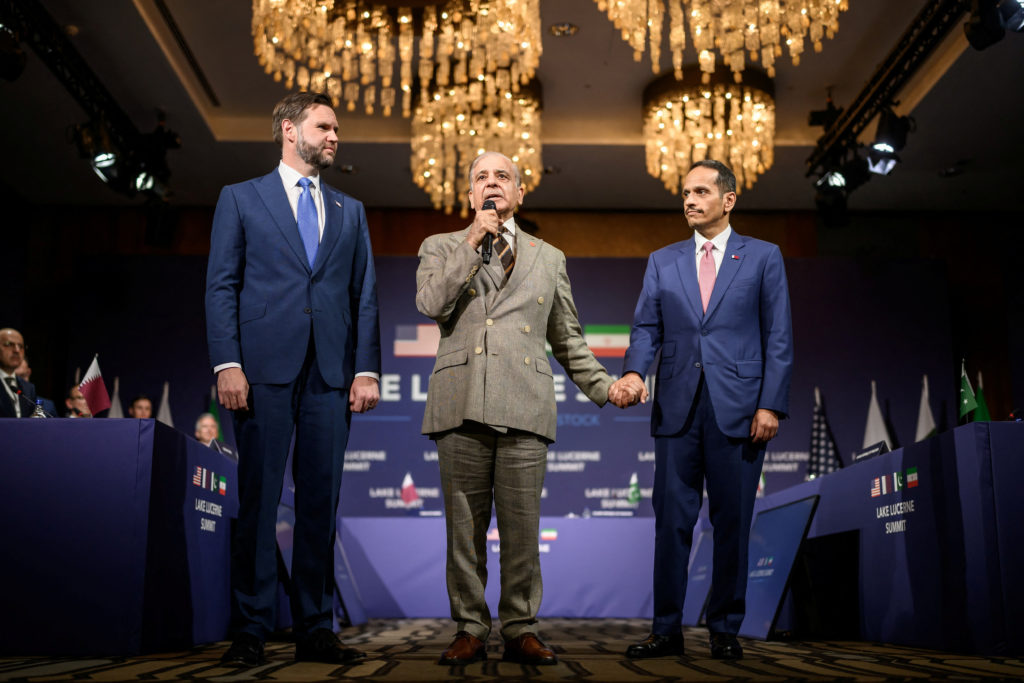
On June 17, 2026, the United States and Iran signed a memorandum of understanding (MoU) following a tense period of escalating military strikes and diplomatic negotiations. The mediation, spearheaded by Pakistan and Qatar, culminated in a 60-day ceasefire extension and a roadmap towards a final agreement.
The diplomatic process faced significant hurdles, notably on June 11, when a plane carrying Qatari mediators was stranded on the tarmac in Tehran amid escalating strikes between the U.S. and Iran. This incident underscored the high stakes and tensions involved in the negotiations.
Field Marshal Asim Munir of Pakistan played a pivotal role, leveraging his connections in Washington and Tehran to facilitate dialogue. Qatar's mediators returned to Tehran for 17 hours of intensive talks, leading to the MoU's signing.
The agreement includes reopening the Strait of Hormuz and establishing a de-confliction cell to prevent further incidents in Lebanon and the Strait. However, challenges remain, particularly ongoing violence in Lebanon and disagreements over UN nuclear inspections in Iran.