Lunar Regolith Offers Insights into Ancient Supernovae
Scientists from the University of Hawaii Institute of Geophysics and Planetology have developed a model to decode cosmic history preserved in the lunar regolith. This model, detailed in a recent publication in Physical Review Letters, allows researchers to analyze the redistribution of materials within the moon's soil following meteoroid impacts.
The study, led by Emily S. Costello, uses an advection-diffusion model to describe how impact gardening affects the lunar surface. This process involves both the burial of materials under ejecta and their excavation by subsequent impacts. The model aligns with iron-60 (Fe-60) depth profiles found in Apollo lunar core samples, spanning timescales from 14 million to 450 million years.
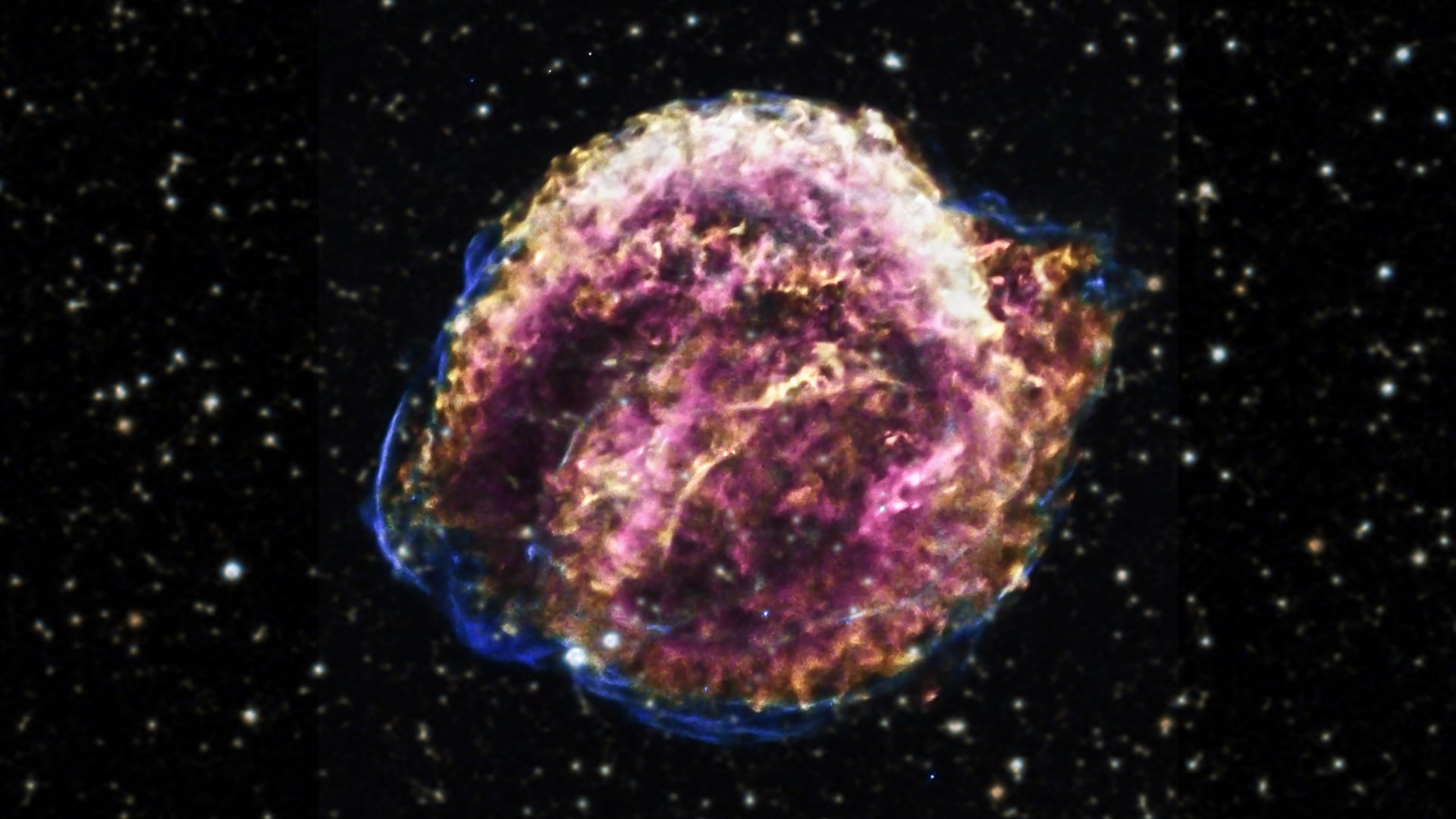
Findings indicate that Fe-60 levels are consistent across different Apollo sites, suggesting a uniform influx of supernova dust at mid-latitudes. The model also projects expected depth profiles for other isotopes like plutonium-244 (Pu-244), recommending that Artemis mission samples be examined down to about 100 centimeters to detect these isotopes.
The lunar regolith serves as a long-term cosmic archive, preserving supernova-derived material over 80 to 100 million years, far exceeding the preservation capabilities of Earth's ocean sediments, which last around 10 million years.