Louisiana's Accidental Land-Building Success Inspires New Coastal Projects
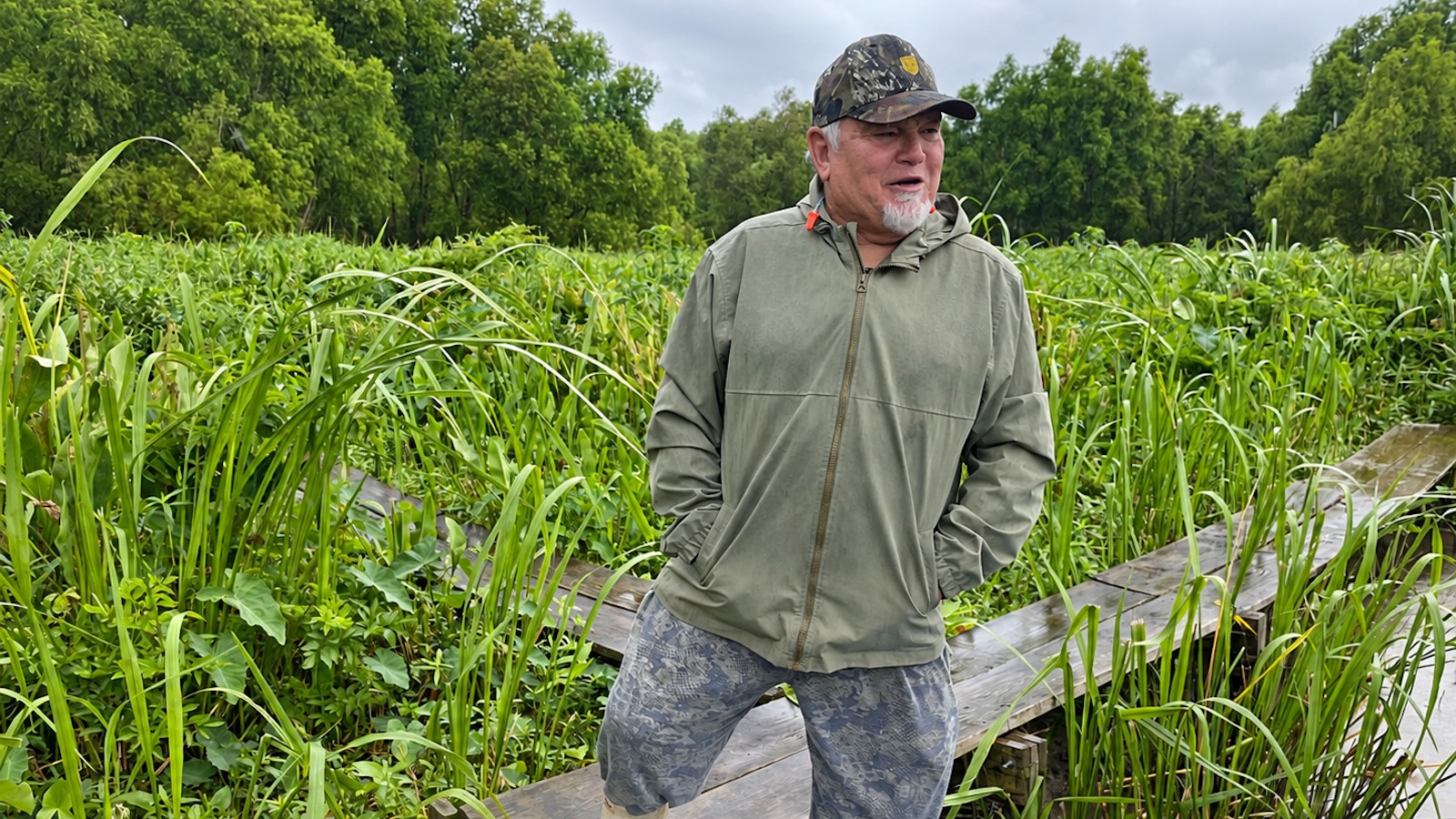
In 2002, the U.S. Army Corps of Engineers completed the Davis Pond Freshwater Diversion near Luling, Louisiana, originally designed to combat saltwater intrusion. The project unexpectedly resulted in sediment accumulation and new land formation in the Barataria Basin wetlands. This unintended consequence has since inspired the state to pursue deliberate land-building efforts.
The Louisiana Coastal Protection and Restoration Authority (CPRA) is now focusing on smaller-scale projects after the cancellation of the $3 billion Mid-Barataria Sediment Diversion and the $1.8 billion Mid-Breton Sediment Diversion. These projects were halted due to concerns about their impact on local shrimping and oyster industries.
Budget documents reveal that Louisiana plans to allocate at least $340 million to five new Mississippi River-based diversion projects over the coming years. This marks a significant increase from the $47 million spent on three diversion projects since 2007.
The Maurepas Swamp diversion, under construction since 2024, is a key project in this new strategy. With a budget of $334 million, it aims to rejuvenate approximately 45,000 acres by channeling river water into the swamp, with completion expected late next year.
Scientific opinions on the effectiveness of these diversions remain divided. A 2019 study by LSU's Eugene Turner indicated increased wetland loss near Davis Pond, while a 2023 study by John White and John Day reported a net land gain, attributing earlier findings to data inaccuracies.