JAXA's MMX Mission to Use New Phobos Atlas for Sample Collection
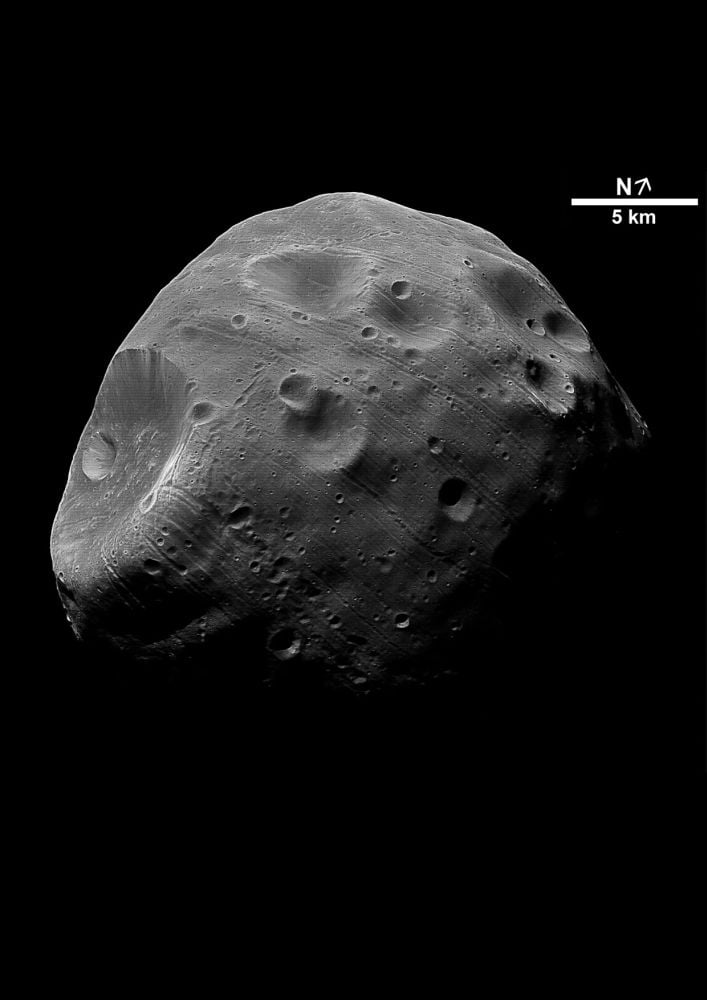
JAXA's Martian Moon eXploration (MMX) mission, set to launch in the Japanese Fiscal Year 2026, will employ a newly developed morphodynamic atlas of Phobos to guide its sample collection efforts. This atlas maps the regolith movement pathways on the Martian moon, providing critical data for the mission's success.
The atlas identifies nine distinct dynamical regions and preferred transport routes on Phobos, which are crucial for geological provenance mapping. These pathways are influenced by forces such as gravity, tidal effects, and centrifugal forces, and they align with specific terrain types, aiding in the selection of optimal sampling sites.
The MMX mission aims to collect over 10 grams of material from Phobos and return it to Earth by 2031. The mission will use two sampling systems: a coring sampler to extract subsurface material and a pneumatic sampler, developed in collaboration with NASA and Honeybee Robotics, to gather surface regolith.
By utilizing the atlas, mission planners can target safer, depositional terrains for sampling, minimizing risks and maximizing scientific returns. The atlas's detailed mapping of regolith migration pathways will allow scientists to better interpret the provenance of collected samples, enhancing the mission's overall scientific value.