Interstellar Comet 3I/ATLAS May Be 12 Billion Years Old
By Rachel Kim
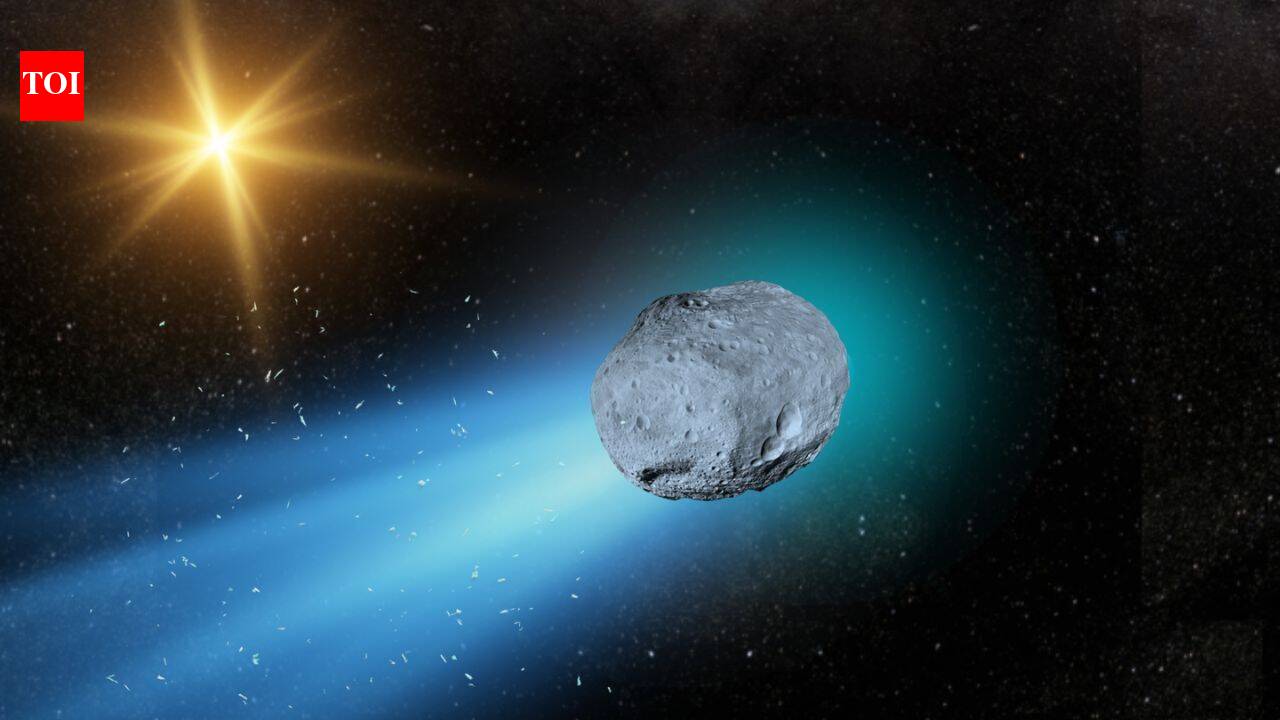
Interstellar comet 3I/ATLAS, first identified by the ATLAS survey telescope in Chile on July 1, 2025, may be up to 12 billion years old, according to observations by the James Webb Space Telescope (JWST). This makes it older than our solar system, offering insights into the early universe.
The JWST used its NIRSpec instrument on August 6, 2025, to study the comet, revealing an unusually high carbon dioxide to water ratio in its coma. This chemical composition suggests that 3I/ATLAS formed under unique conditions, distinct from typical solar system comets.
Isotopic analysis by JWST indicates a high deuterium to hydrogen (D/H) ratio and low carbon-13 abundance, supporting the age estimate of 10 to 12 billion years. These findings suggest that the comet likely originated in the early thin disk of the Milky Way.
Additionally, the JWST detected methane on 3I/ATLAS, marking the first direct detection of this compound on an interstellar object. This discovery adds to the understanding of the comet's composition and its potential origins.