Inside the VFX of 'Anaconda': ILM's Creative Process
By Priya Anand
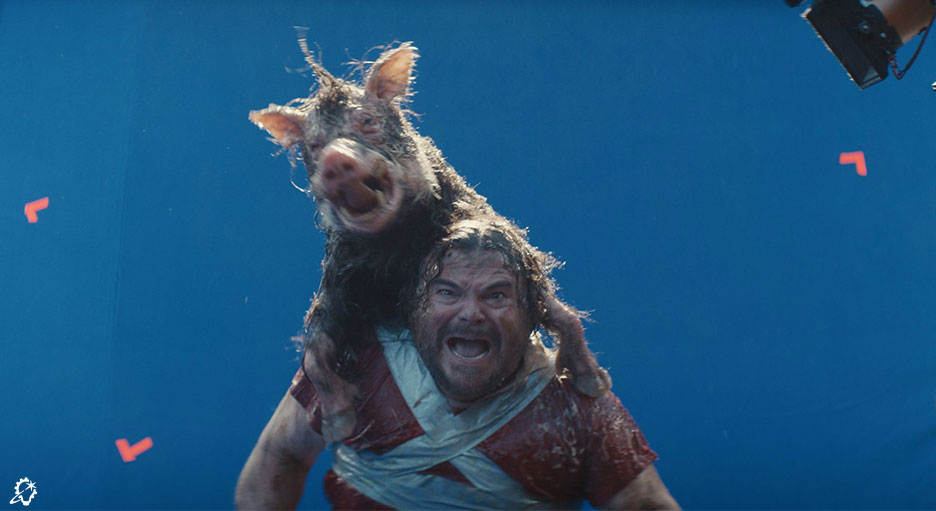
Industrial Light & Magic's Sydney studio has unveiled the visual effects techniques used in the film 'Anaconda,' focusing on the creation of the film's digital snakes. Visual effects supervisor Ben Snow, associate visual effects supervisor Gabriel Reichle, and animation supervisor Stewart Alves led the efforts to design a creature that departed from realism to enhance its on-screen menace.
The team opted for a more intimidating look, incorporating features such as a longer mouth and fiercer eyes, inspired by viper-like characteristics. The snake models were crafted using Autodesk Maya, with careful attention to scale modeling to maintain a realistic yet threatening appearance.
A significant technical achievement was the digital snake rig, which included approximately 2,000 controllers. This complexity allowed for detailed rectilinear motion and muscle behavior, crucial for scenes depicting constriction and muscle flow. Custom pipeline tools facilitated these complex animations, ensuring the digital creature's movements were both realistic and expressive.
On-set, lightweight proxies were used to guide actors, with digital adjustments made to enhance the snake's perceived weight and presence. The production's proximity to the filming location on Queensland’s Tweed River allowed for close collaboration with director Tom Gormican, aligning visual effects with the film's storytelling goals.
Despite the challenges, the team successfully integrated the digital snakes into the film's environment, using animated elements like dust and water sprays to enhance the creature's physicality. The project underscores ILM's innovative approach to visual effects, pushing the boundaries of digital animation.