Indonesia's Blackouts Highlight Vulnerabilities in Coal-Dependent Energy System
Recent widespread blackouts in Indonesia's Java and Sumatra regions have intensified discussions about the country's coal-dependent energy infrastructure. The outages, which began on May 22, 2026, were triggered by a major transmission failure on a 275 kV line between Muara Bungo and Sungai Rumbai in Jambi. Extreme weather conditions, including heavy rain and strong winds, severed a cable, leading to cascading power outages across Sumatra.
According to the Indonesian Ministry of Energy & Mineral Resources (ESDM), over 8.5 million of the 13.1 million affected customers had power restored by May 23. The ministry has urged the state-owned utility PLN to expedite infrastructure reinforcement and improve resilience through new transmission lines and localized generation capabilities.
In Java, separate outages were reported, with PLN citing constrained coal supplies as a contributing factor to the instability. This has underscored the vulnerabilities inherent in Indonesia's fuel-dependent operations.
Analysts from the Institute for Essential Services Reform (IESR) and the Institute for Energy Economics and Financial Analysis (IEEFA) argue that these incidents highlight the structural risks of Indonesia’s centralized, coal-heavy electricity system. They advocate for accelerating the deployment of distributed renewable solutions, such as rooftop solar and battery energy storage, to enhance system resilience and reduce coal reliance.
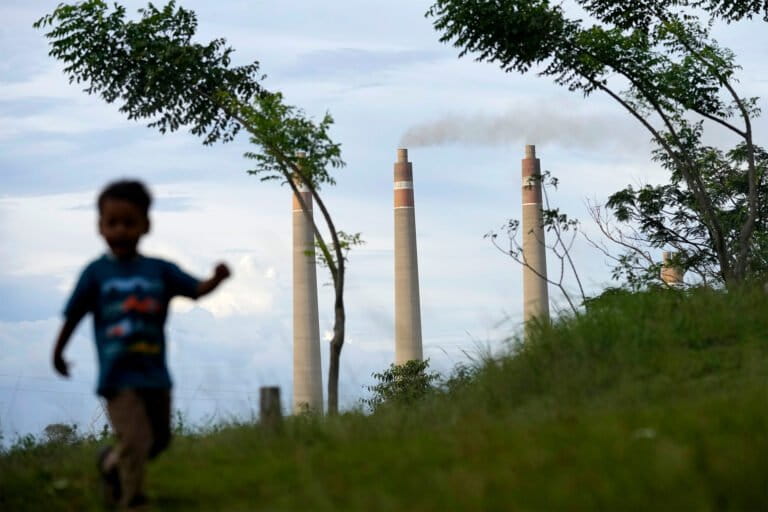
A recent academic analysis has identified six coal plants on Java as priority candidates for early retirement. The closure of these plants could eliminate up to 93.5 million metric tons of CO₂ emissions annually, with the Suralaya coal complex in Banten being a top priority due to its significant emissions.