India Joins Global NeoSep1 Trial to Combat Drug-Resistant Sepsis in Newborns
By David Okafor
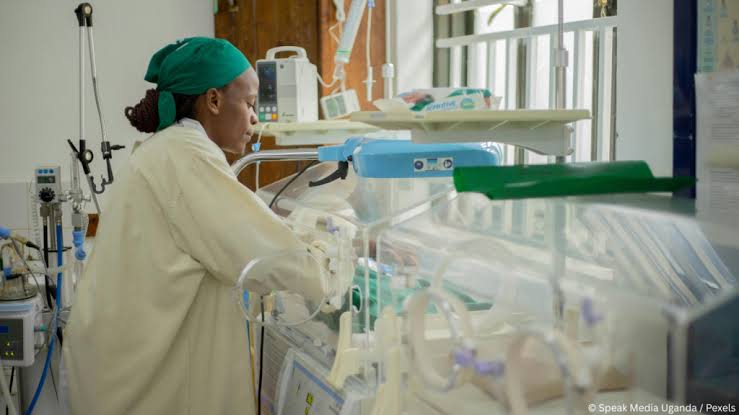
On June 26, 2026, India enrolled its first newborn in the NeoSep1 trial at the Jawaharlal Institute of Postgraduate Medical Education and Research (JIPMER) in Puducherry. This marks India's entry into a global effort to tackle neonatal sepsis, a leading cause of infant mortality exacerbated by rising antimicrobial resistance (AMR).
The NeoSep1 trial, sponsored by the Global Antibiotic Research and Development Partnership (GARDP), is a personalized randomized controlled trial. It aims to evaluate multiple antibiotic combinations for treating neonatal sepsis, a condition responsible for 30-40% of newborn deaths in India. The trial intends to enroll 3,000 newborns across Asia and Africa by 2028.
India, alongside Pakistan, is among the first Asian countries to participate in this trial. Enrollment has commenced at JIPMER and Rohtak, with Mumbai expected to join soon. The trial's design is informed by the PRACTical framework, which considers local resistance patterns and resource constraints, aiming to develop affordable empiric regimens for hospitals in low- and middle-income countries.
Part 1 of the trial, completed in 2023, demonstrated the safety of antibiotic combinations like fosfomycin and flomoxef in newborns in South Africa and Kenya. Part 2, which began in South Africa in June 2025, is now expanding to include India and other countries such as Kenya, Ghana, Uganda, Bangladesh, Malaysia, and Vietnam.
With standard antibiotics like ampicillin-gentamicin increasingly ineffective due to resistance, NeoSep1 seeks to provide evidence-backed alternatives. The trial evaluates combinations such as fosfomycin-amikacin and flomoxef-amikacin against current standard treatments.