Homo Naledi Fossils Reveal All-Female Burial Site in South Africa
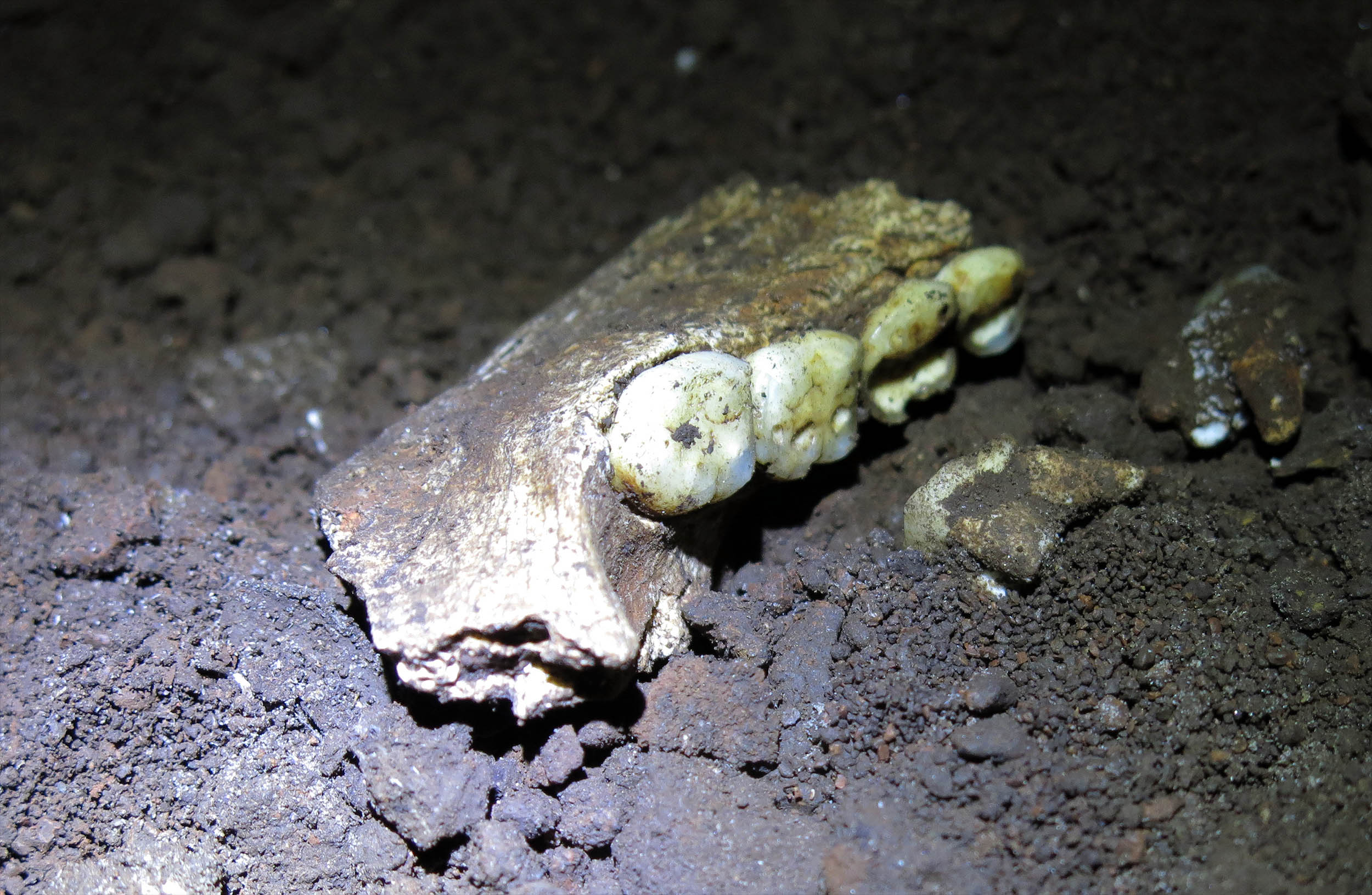
Scientists have discovered an all-female burial site of Homo naledi in South Africa's Rising Star Cave system, according to a study published in Cell on June 24, 2026. The research marks the first time molecular data has been extracted from this extinct species.
Paleoproteomic analysis was conducted on 23 teeth from at least 20 individuals, revealing the absence of the Amelogenin-Y protein, which is encoded by the Y chromosome and indicates male biological sex. This marker was missing in all specimens, suggesting that the individuals were biologically female or lacked the expected male marker.
Confirmatory tests at the University of York validated the authenticity of the ancient proteins, ruling out modern contamination. Co-author Lee Berger noted the improbability of sampling twenty individuals all from one sex, describing it as a one-in-a-million chance.
Alternative explanations, such as a mutation or deletion of the Amelogenin-Y gene, were considered but deemed unlikely by the study's senior author, Enrico Cappellini. The findings suggest that Homo naledi may have engaged in sex-specific burial practices, a behavior previously thought to be exclusive to modern humans.
The Homo naledi fossils, dated between approximately 236,000 and 335,000 years ago, provide a new perspective on ancient human relatives and their social practices.