Global Launch Capacity Faces Severe Shortfall, Analysts Warn
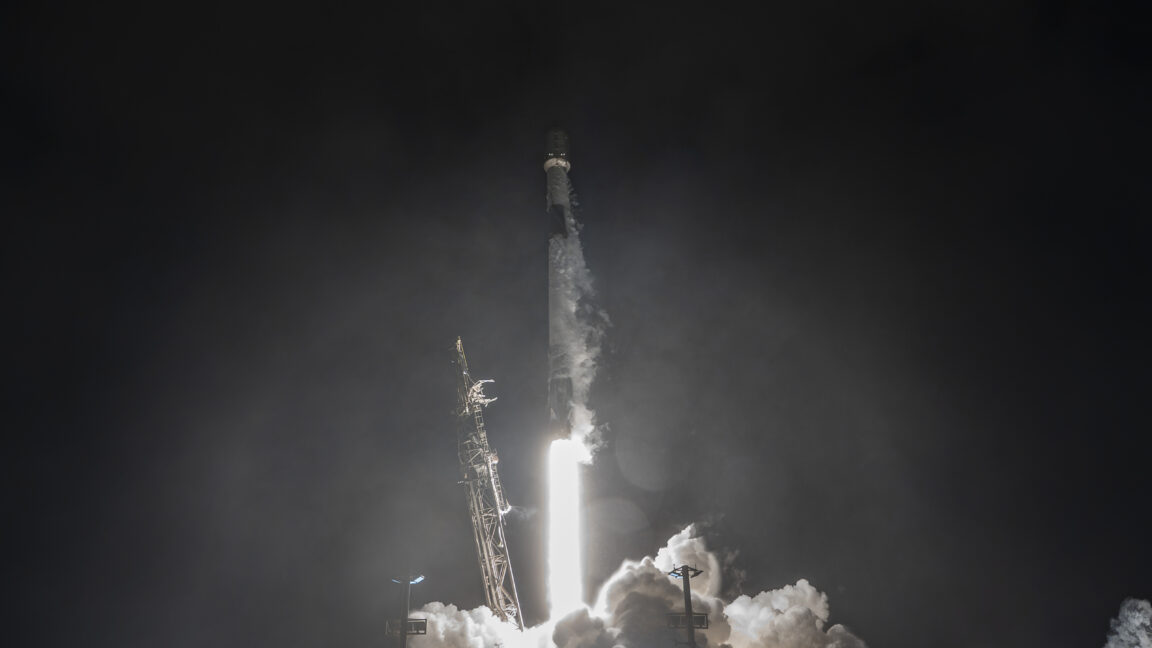
A new report from Quilty Space highlights a looming crisis in global satellite launch capacity, projecting a shortfall of approximately 150 launches needed to meet civil and commercial demand through 2030. This gap could widen to 300 launches if U.S. military requirements are included, assuming SpaceX does not extend Falcon operations.
Contributing factors to this crisis include the decline of Western launch options exacerbated by geopolitical tensions, particularly the Ukraine war's impact on Russian rocket availability. Additionally, delays in the development of new launch vehicles such as New Glenn, Vulcan, and others have compounded the issue.
The demand for launches is surging, driven by the needs of megaconstellations like Amazon's Kuiper and numerous small satellite startups. However, SpaceX's Starship, despite its potential to alleviate the crisis with high payload capacity, is not actively marketed for traditional commercial launches. The vehicle's current configuration is optimized for SpaceX's Starlink satellites, requiring non-standard satellite designs for other payloads.
Blue Origin's New Glenn is expected to ramp up its launch cadence slowly, with forecasts of 8 launches in 2028, increasing to 16 by 2030. However, this gradual increase may not suffice to meet the burgeoning demand.
The U.S. Space Force has also increased its forecasted demand for launches significantly, further straining available capacity. This surge was not factored into Quilty's initial projections, as SpaceX is expected to prioritize defense needs.