Global Biofuel Expansion Could Demand Land the Size of Germany
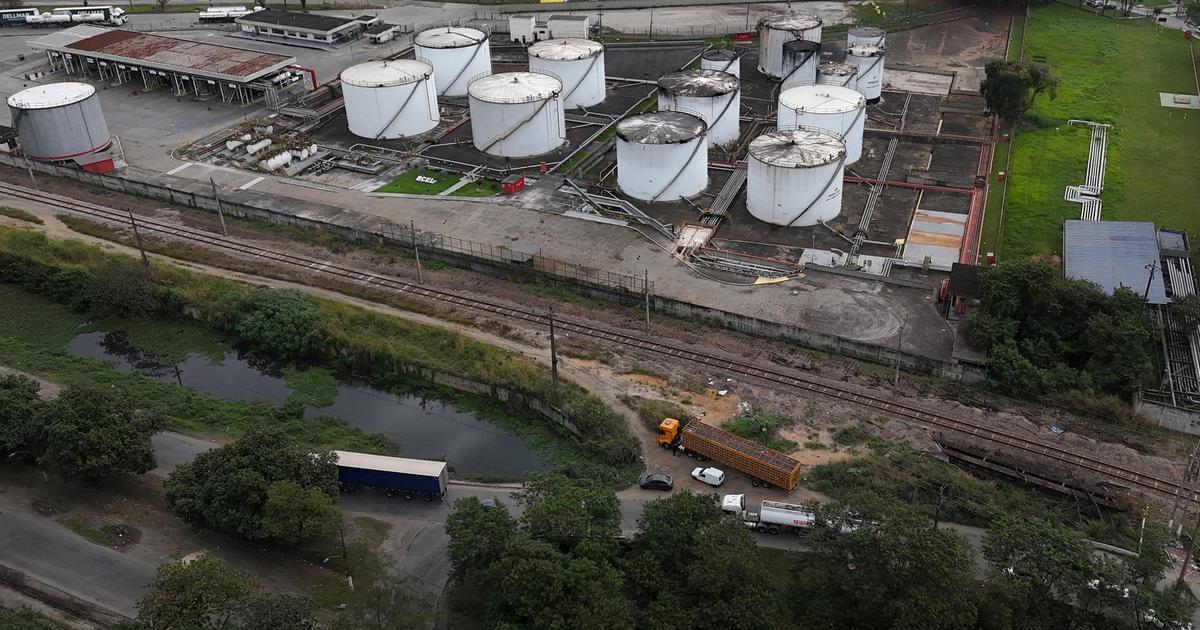
Global biofuel production is projected to increase by approximately 70% between 2025 and 2030, according to a report by Semafor. This expansion could necessitate a land area comparable to the size of Germany, raising concerns about land use and environmental impacts.
In 2020, biofuels consumed in Germany occupied about 1.23 million hectares globally, according to a study by ifeu. This area is roughly equivalent to the size of the German state of Schleswig-Holstein. The study suggests that allowing natural vegetation to regrow on this land could sequester over 16 million tonnes of CO₂ annually, surpassing the 9.2 million tonnes of CO₂-equivalent saved by crop biofuels in Germany that year.
Further analysis by the Food and Agriculture Organization (FAO) indicates that Germany's global land requirement for all agricultural goods, including biofuels, could increase by 25.5 to 26 million hectares by 2030 under business-as-usual trends. This increase reflects the substantial role of biofuel demand in driving land expansion.
At the European Union level, a discussion paper projects that the land needed for EU bioenergy, including biofuels, might expand from 44.5 million hectares in 2010 to 70.2 million hectares by 2030. This represents a 58% increase compared to 2010, equating to a land area similar to that of Poland or Sweden.
Currently, approximately 32 million hectares globally are used for growing crops for liquid biofuels, an area comparable to the size of Poland or Germany. These crops provide just 3–4% of global transport energy, highlighting the significant land use for a relatively small energy contribution.