Ghana's Port of Tema: A Case Study in African Infrastructure Development
By David Okafor
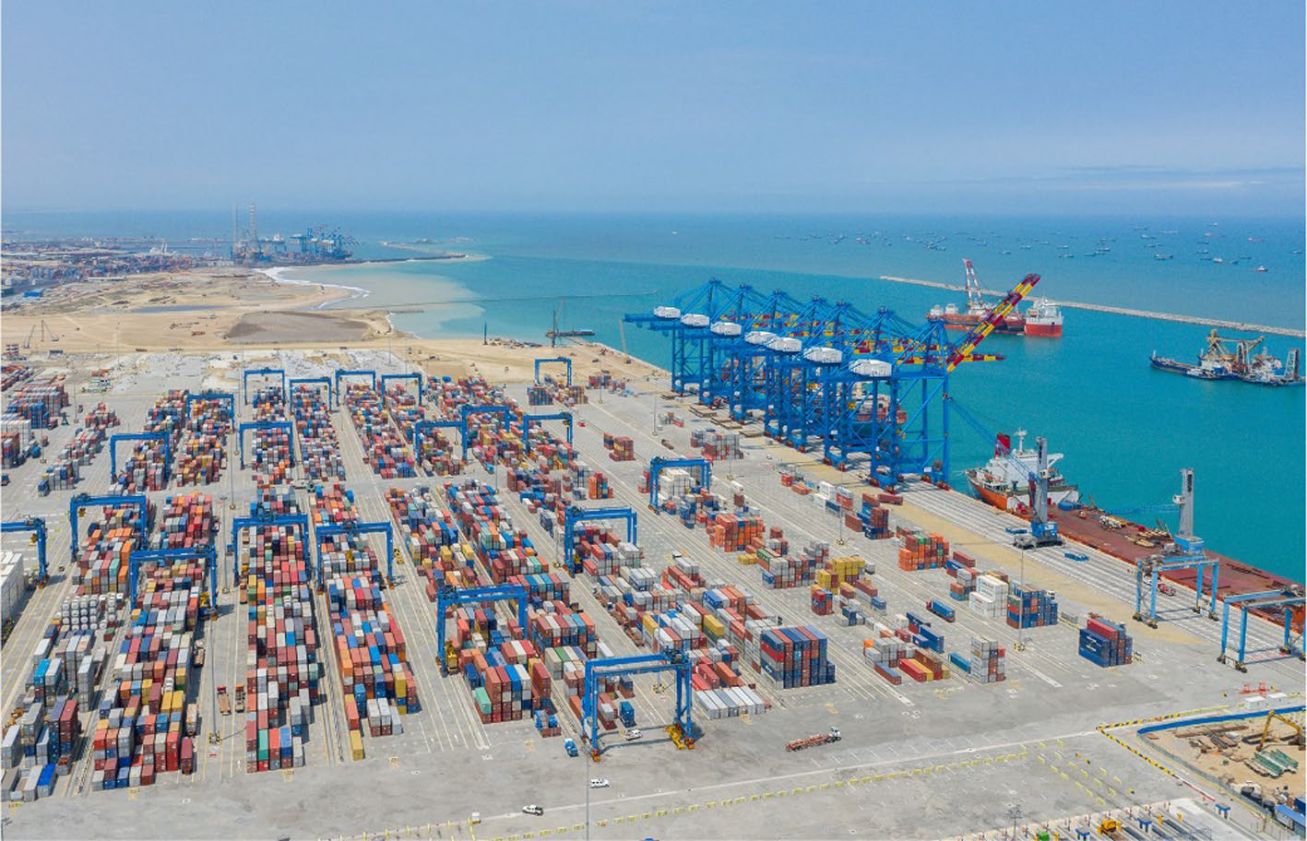
The Port of Tema in Ghana has emerged as a focal point for understanding the complexities of infrastructure development in Africa. Recent expansions, including a $1.5 billion project completed in March 2026, highlight both the economic potential and governance challenges associated with such large-scale projects.
Ghana's Port of Tema operates under a public-private hybrid model. The Ghana Ports and Harbours Authority (GPHA) retains a 30% stake in Terminal 2, while the consortium Meridian Port Services (MPS) holds the remaining 70%. However, the expansion of Terminal 3 has seen a dilution of GPHA's influence, raising concerns about who ultimately benefits from these developments.
The expansion, which required no direct government funding, aims to position Tema as a leading trade hub in West Africa. The project includes new deep-water berths and advanced quay cranes, enhancing the port's capacity to handle New Panamax and Post-Panamax vessels. The introduction of 16 electric Rubber Tyred Gantry cranes is expected to increase the terminal's capacity to 3 million TEUs annually, up from 2.29 million TEUs in 2025.
Despite these advancements, the governance model's shift raises questions about the distribution of benefits from such infrastructure projects. The balance between public oversight and private investment remains a critical issue as Africa continues to attract significant global investment in its ports.