Fed Chair Kevin Warsh's Reforms Stir Uncertainty in Financial Markets
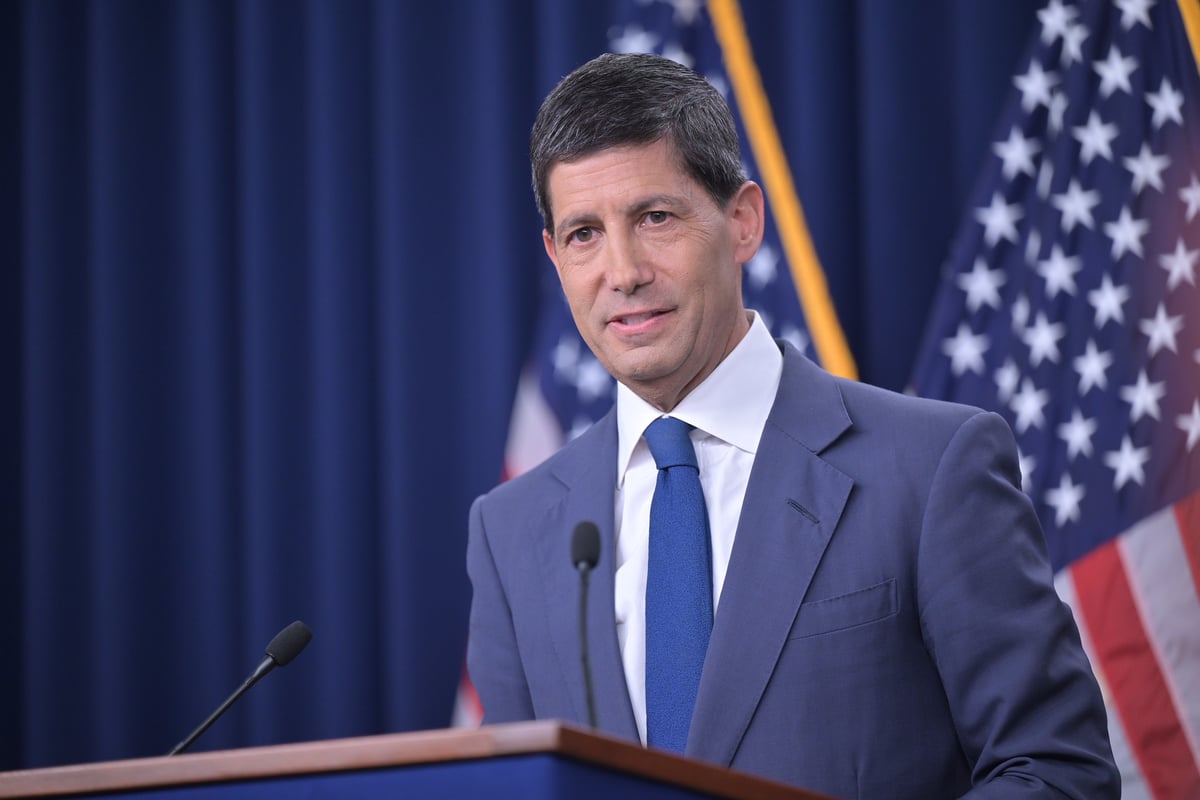
Federal Reserve Chair Kevin Warsh, who took office on May 23, 2026, has initiated significant changes to the central bank's operations, raising concerns about potential impacts on financial markets. Warsh's reforms include the establishment of five task forces focused on areas such as Fed communications, inflation frameworks, and balance sheet policy.
One of the most notable changes is Warsh's decision to streamline the Federal Open Market Committee's (FOMC) communications. He has eliminated forward guidance and reduced the length of FOMC statements to approximately 130 words, the shortest since the pandemic era. This shift has increased uncertainty among market participants, who fear heightened volatility around key economic announcements.
Warsh also advocates for a trimmed-mean approach to measuring inflation, which aims to exclude volatile outliers. While this method is still under study, some economists warn it could understate inflation, potentially delaying necessary policy responses.
Another major focus for Warsh is reducing the Federal Reserve's balance sheet, which peaked at approximately $8.9 trillion in mid-2022 and currently stands at about $6.7 trillion. Market analysts caution that this reduction in liquidity could suppress asset prices and disrupt equity valuations.
Despite these changes, Warsh has emphasized the Fed's political independence and its commitment to maintaining a 2 percent inflation target, showing little inclination to accommodate calls for interest rate cuts.