Drylands Offer Untapped Potential for Innovation and Sustainability
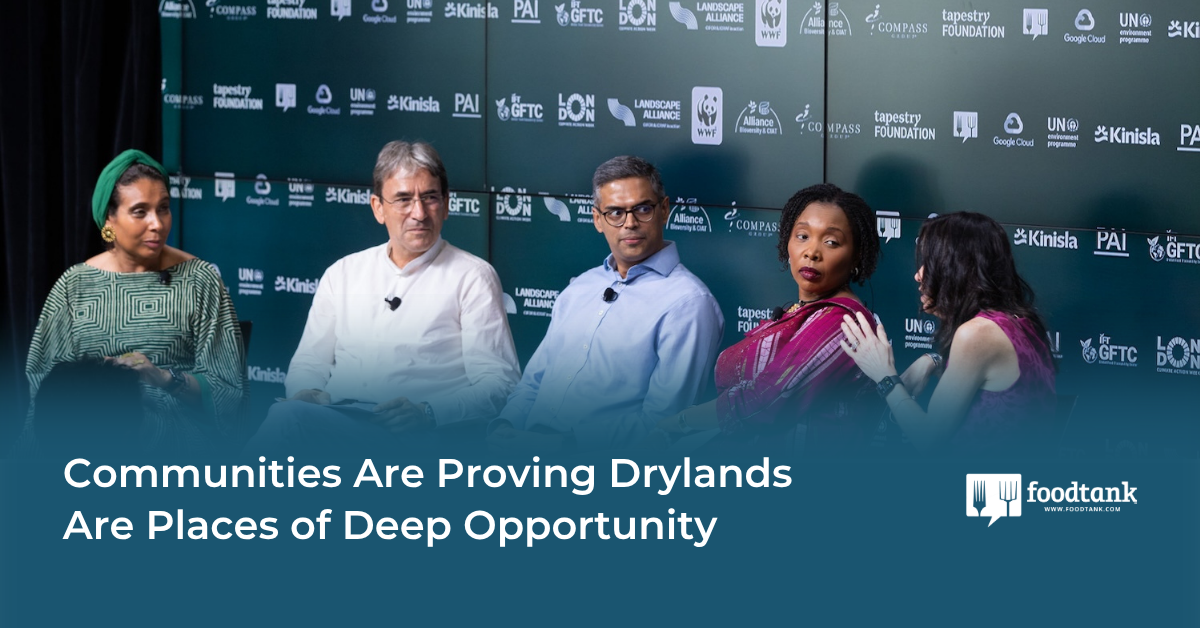
Drylands, which constitute more than 41% of the world's terrestrial area, are increasingly being recognized as ecosystems rich with potential, according to a recent discussion at Food Tank's 3rd Annual Chief Sustainability Officer and Food Systems Funders Summit. These areas, often dismissed as barren, support over 2 billion people globally.
Despite their vast coverage, between 25% and 35% of drylands are already degraded, highlighting both their fragility and potential for restoration, according to the International Union for Conservation of Nature (IUCN). The United Nations Convention to Combat Desertification (UNCCD) reports that dryland coverage increased by 4.3 million km² from 1961 to 2020, underscoring the need for sustainable management practices.
Innovative agricultural practices are demonstrating significant potential for dryland productivity. Research published in 'Agriculture, Ecosystems & Environment' shows that shifting to continuous dryland cropping rotations can increase grain productivity by up to 60% while reducing the need for herbicides and fertilizers. This approach not only enhances environmental outcomes but also increases net operating income by approximately USD 47 per hectare annually compared to traditional methods.
These findings support the narrative that drylands are not wastelands but landscapes of opportunity. By adopting innovative agroecological practices, communities can enhance resilience and productivity, contributing to global food security and environmental sustainability.