Climate Change Slows Earth's Spin, Lengthening Days
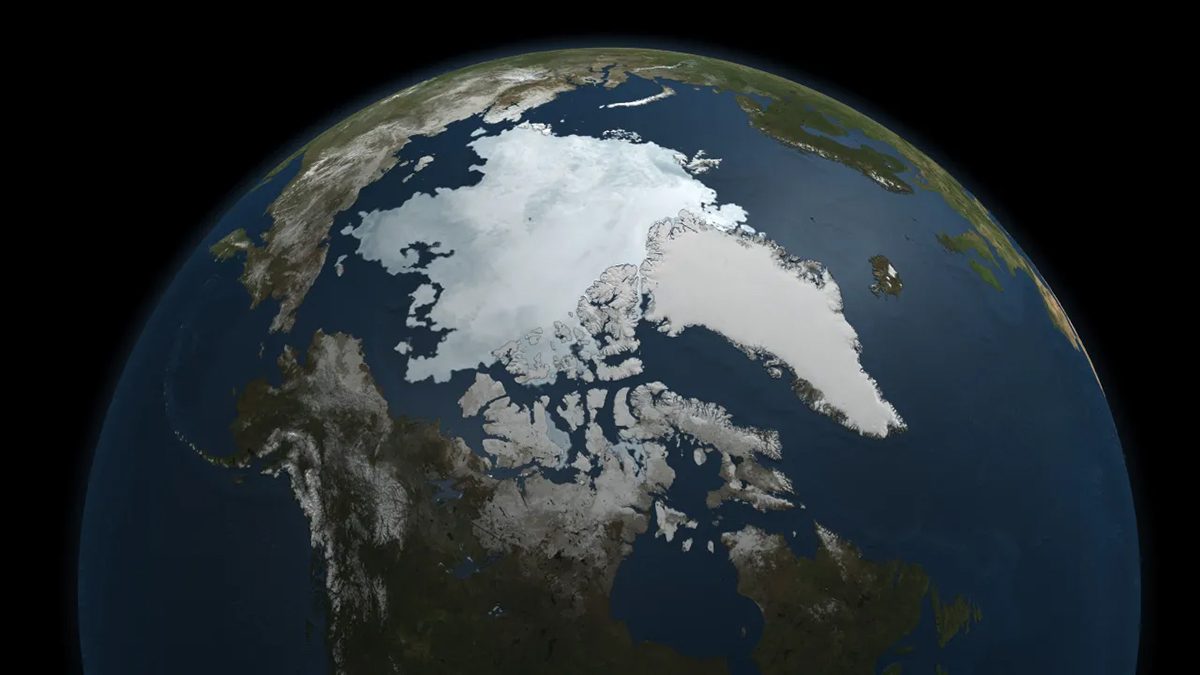
Climate change is causing Earth's rotation to slow, resulting in longer days, according to a NASA-funded study. The research, conducted by the Jet Propulsion Laboratory, attributes this phenomenon to the redistribution of mass due to melting ice sheets, glaciers, and declining groundwater levels.
Over the period from 1900 to 2018, Earth's spin axis has shifted approximately 30 feet, or 10 meters, primarily due to these climate-driven changes. This shift is causing a measurable increase in the length of day (LOD), with the rate of day-lengthening since 2000 reaching 1.33 milliseconds per century.
This rate exceeds the 20th-century range of 0.3 to 1.0 milliseconds per century and could surpass the effect of the Moon’s tidal friction, which currently contributes about 2.4 milliseconds per century. Under high-emissions scenarios, projections suggest climate change could increase the LOD by up to 2.62 milliseconds per century by 2100.
The study also highlights that atmospheric changes due to anthropogenic warming could further slow Earth's rotation. A peer-reviewed study in *npj Climate and Atmospheric Science* estimates that atmospheric angular momentum changes could account for 10–18% of the lunar tidal-friction trend by the late 21st century.