California's Home Batteries Transform Grid Dynamics
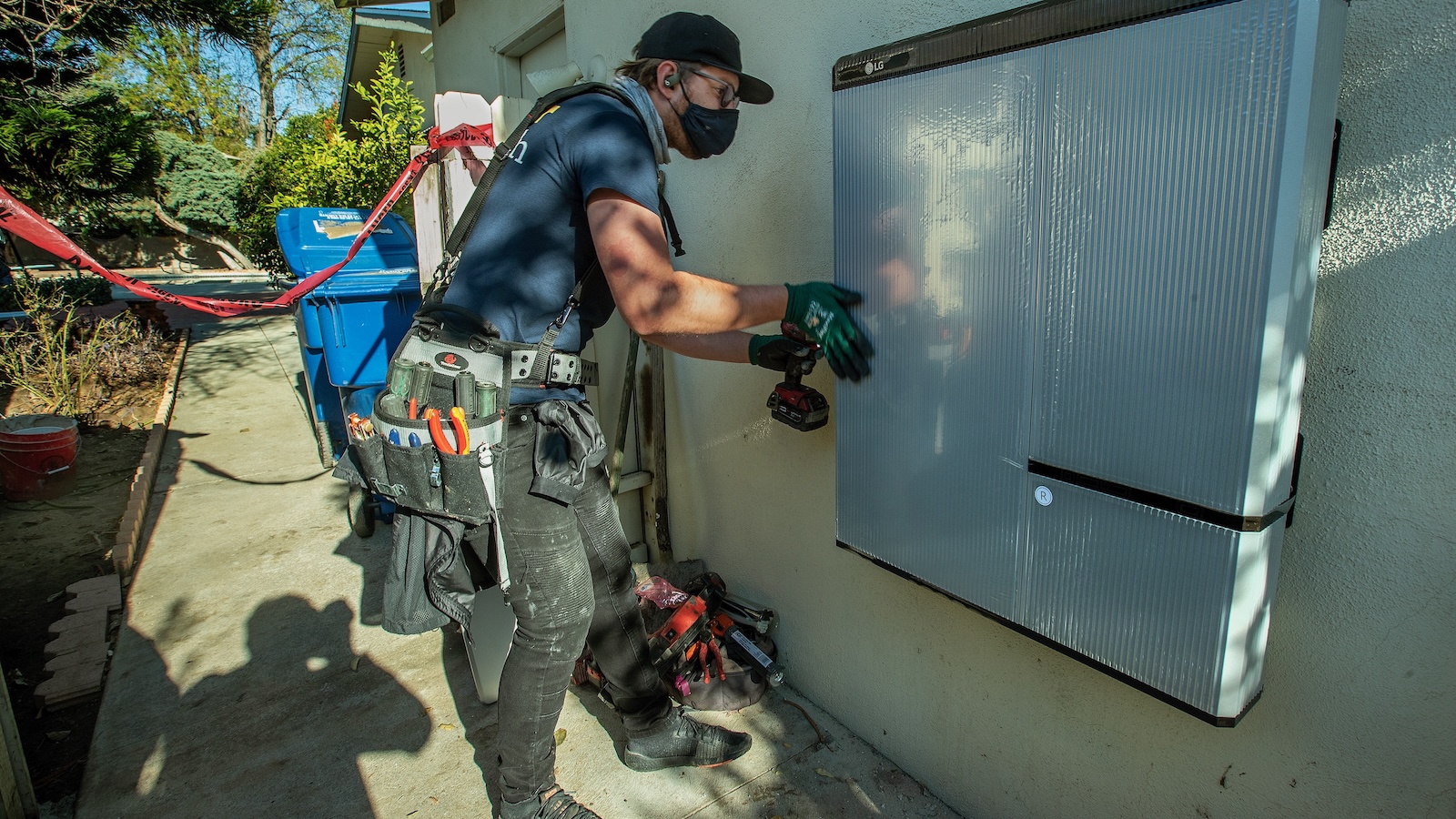
California is leading a transformation in grid management through widespread adoption of residential battery systems. These systems, which include both standalone batteries and vehicle-based storage, enable homeowners to maintain power during outages and export stored energy back to the grid.
According to a report by the California Energy Commission and the California Public Utilities Commission, behind-the-meter storage paired with solar panels helps reduce net peak demand. This is achieved by charging during periods of photovoltaic generation and discharging during peak demand hours from 4 to 9 pm. The state's Self-Generation Incentive Program encourages this practice by mandating regular cycling and participation in time-of-use rates.
Pacific Gas and Electric (PG&E) is operating the largest Vehicle-to-Everything (V2X) pilot in the United States, aiming to support 3 million electric vehicles by 2030. The program incentivizes homeowners with up to $3,000 for using bidirectional charging, which allows electric vehicles to provide power during outages and send energy back to the grid.
San Diego Gas & Electric, in collaboration with Toyota and Fermata Energy, has been running a Vehicle-to-Grid (V2G) pilot since 2023. This pilot evaluates cost savings, revenue generation, and grid stabilization capabilities, with the aim of informing future rate designs and interconnection standards.
The California Energy Commission has also initiated a pilot project to install 100 residential bidirectional chargers across the state, with at least 30% of these installations in low-income and disadvantaged communities.