California Farmers Grapple with Plastic Dependency in Agriculture
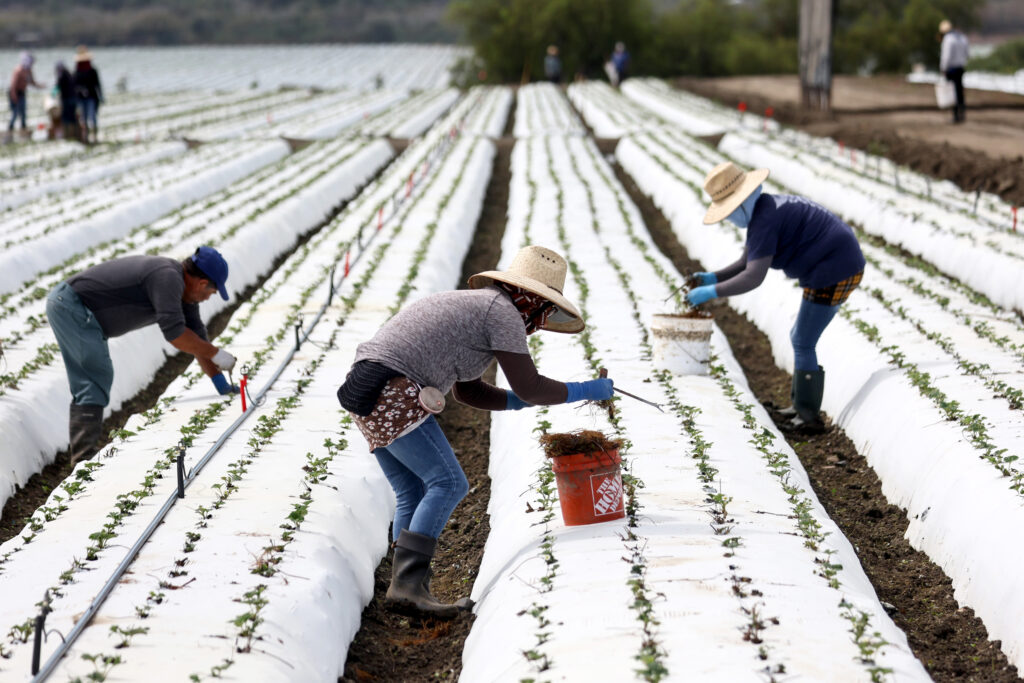
California farmers, especially those in Monterey County, are heavily reliant on plastic materials, using approximately 20.7 million pounds annually, according to a 2019 assessment by NOAA’s Monterey Bay National Marine Sanctuary. This includes 12.2 million pounds of drip tape and 7.94 million pounds of polyethylene mulch and fumigation film.
The use of plastic mulch, which became widespread in the 1960s, has been instrumental in boosting crop yields by stabilizing soil temperature and controlling diseases and weeds with fewer pesticides. However, the environmental impact is significant. Plastic fragments persist in soil, reducing earthworm populations and overall plant productivity, as found in a study of Central Coast strawberry farms.
Recent remote sensing studies using Sentinel-2 imagery indicate that nearly one-third of agricultural areas in key California counties are covered by field plastics, with plastic mulch comprising 69% of detected plastics. This usage has increased from 2019 to 2024, often near waterways.
Efforts to find alternatives, such as soil-biodegradable mulch (BDM), show promise. BDMs are designed to biodegrade at least 90% in soil within two years. However, adoption remains limited due to concerns about durability, cost, and compatibility. A 2020 survey revealed that only 5% of California strawberry growers used BDMs in all fields, although 97% expressed interest in improved disposal options.