Brown Bears Adapted Jaw Structures to Survive Ice Age Climate Swings
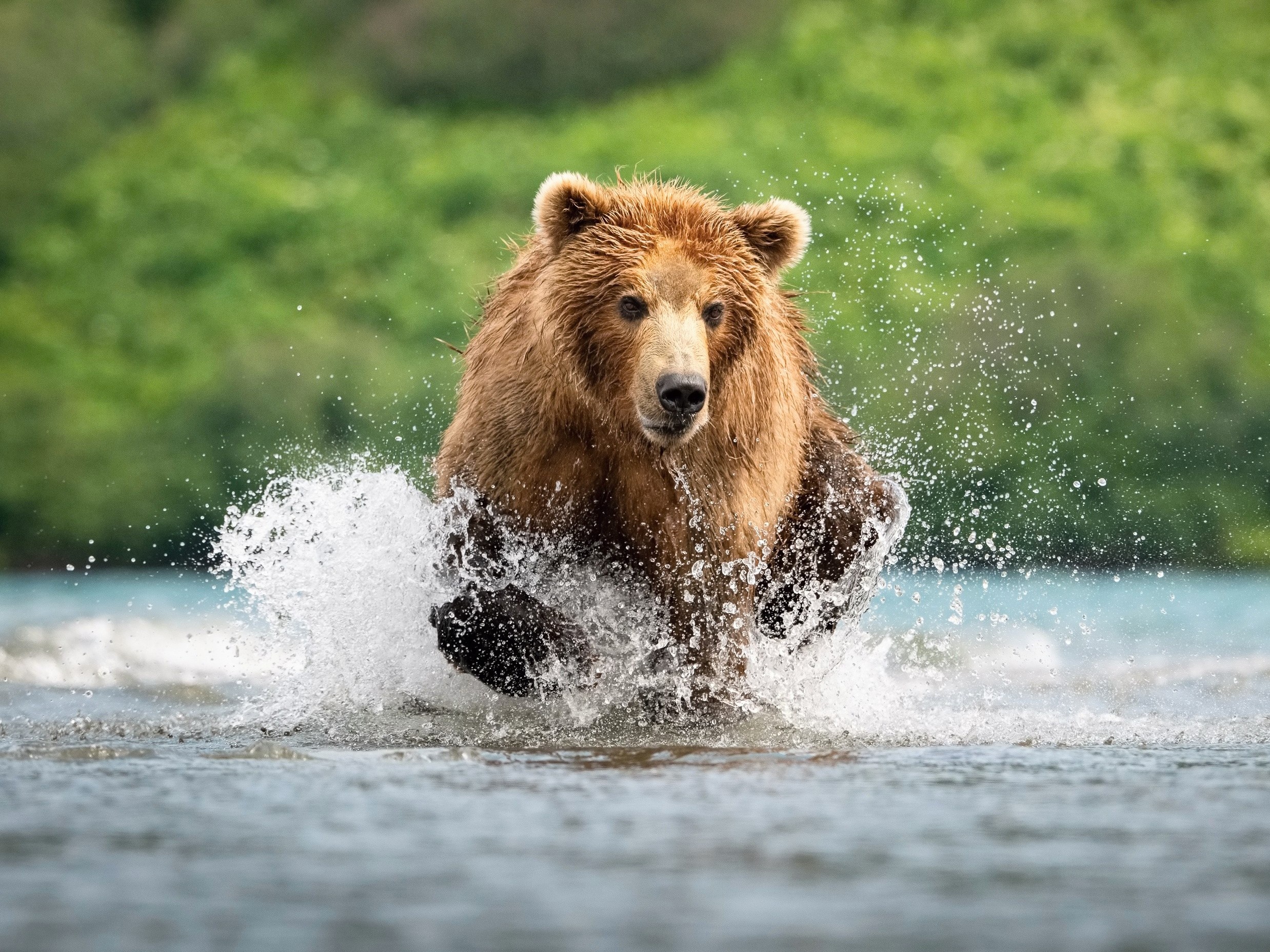
A recent study published in Comptes Rendus Palevol reveals that Europe's brown bears (Ursus arctos) survived the Ice Age by repeatedly altering their jaw structures in response to climate changes. This adaptability likely provided a survival advantage over the now-extinct cave bears.
Led by Anneke H. van Heteren at the Bavarian State Collections of Natural History, researchers examined nearly 200 lower jaws, including 21 fossilized specimens. The study found that brown bears alternated between two distinct jaw morphologies corresponding to glacial and interglacial periods.
During colder periods, brown bears exhibited longer cheek-tooth rows and jaw mechanics optimized for grinding, similar to modern high-altitude bears. In contrast, warmer periods saw bears with shorter tooth rows and reduced leverage, resembling contemporary European brown bears.
Fossils from Le Régourdou Cave in France, dating back approximately 243,000 years, display the 'cold-type' morphology, while those from Postes Cave in Spain, dating between 71,000 and 104,000 years ago, show the 'warm-type'. This recurring pattern suggests a rapid, reversible adaptability through phenotypic plasticity or epigenetic inheritance, rather than slow genetic evolution.
This jaw adaptability contrasts with the dietary rigidity of cave bears, which were primarily herbivorous and lacked such flexibility, contributing to their extinction near the end of the Ice Age.