Brown Bears Adapted Jaw Morphology to Survive Ice Age Climate Swings
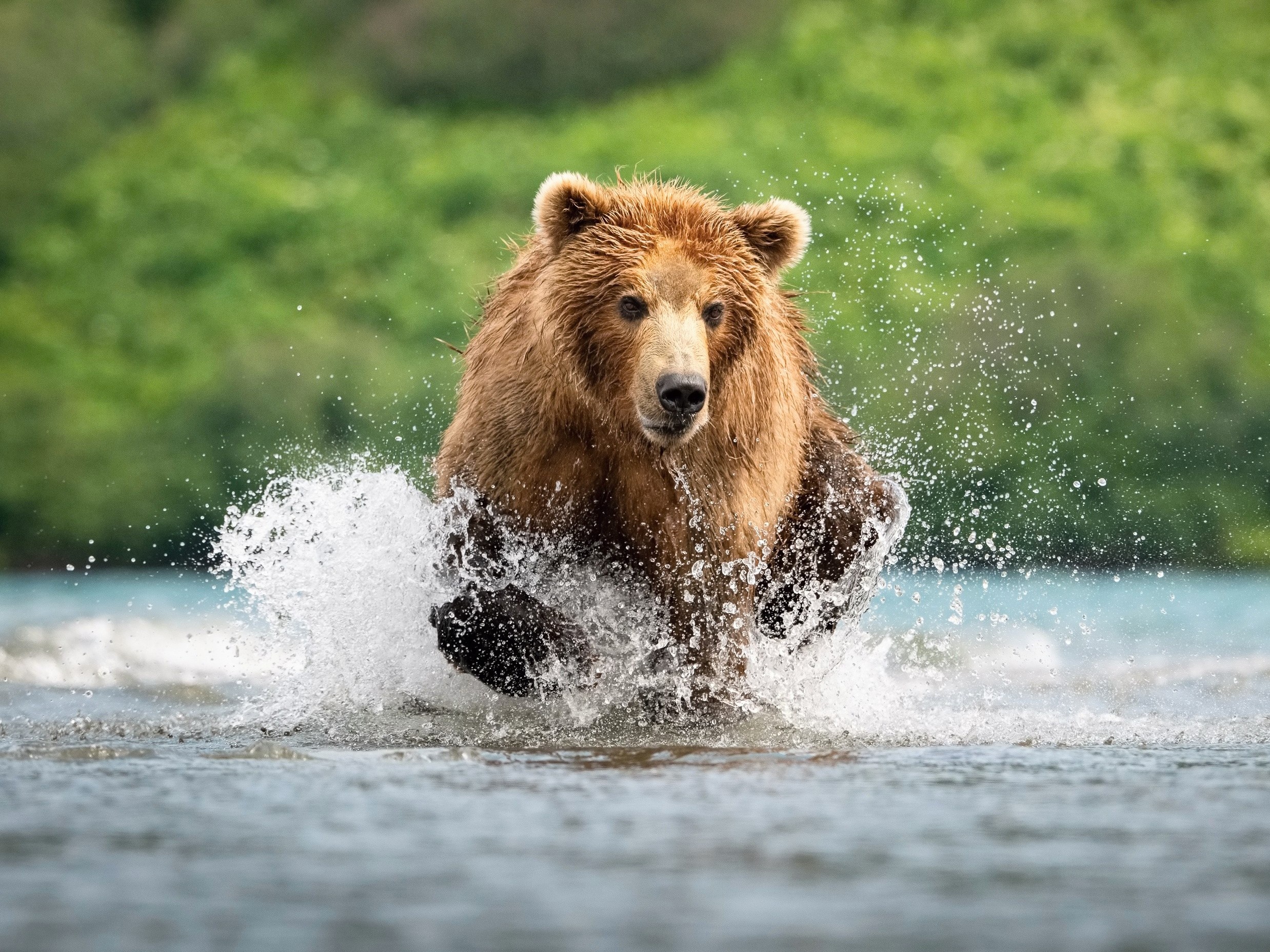
Europe's brown bears (Ursus arctos) managed to survive the Ice Age by repeatedly altering their jaw morphology to adapt to the shifting climates, according to a study published in Comptes Rendus Palevol. The research, led by Anneke H. van Heteren and her team from the Bavarian State Collection of Zoology, examined nearly 200 lower jaw specimens, including 21 fossilized brown bear jaws.
The study identified two distinct jaw forms that appeared repeatedly during glacial and interglacial periods. The 'cold-adapted' form featured a longer cheek-tooth row and stronger masseter muscle leverage, while the 'warm-adapted' form had a shorter tooth row and reduced chewing leverage. These adaptations allowed brown bears to thrive in both cold and warm climates, a flexibility that cave bears, which were more specialized herbivores, lacked.
Fossil evidence from Le Régourdou Cave in France, dating back approximately 243,000 years, and Postes Cave in Spain, dated between 71,000 and 104,000 years ago, illustrates these morphological changes. Researchers suggest that reversible mechanisms such as phenotypic plasticity or epigenetic inheritance enabled these rapid adaptations, potentially within one or two generations.
This morphological flexibility likely contributed to the survival of brown bears while cave bears went extinct around 26,000 to 24,000 years ago. The findings underscore the importance of anatomical adaptability in the face of environmental changes.