Ancient Martian Meteorite Reveals Clues About Mars' Wet Past
A meteorite identified as Teghaza 001, discovered in the Sahara Desert in 2022, has been confirmed as one of the oldest known pieces of Martian crust, dating back over 4.1 billion years. This discovery offers significant insights into the early geological and hydrological conditions of Mars.
According to a NASA-funded study published in the journal Science on October 29, 2026, Teghaza 001 formed from cooling magma and was later altered by subsurface water. This suggests that Mars once had a warm and wet environment, potentially suitable for life. Yang Liu of NASA's Jet Propulsion Laboratory described the meteorite as "a Rosetta Stone for Mars," indicating its importance in understanding the planet's history.
The meteorite was classified at the University of New Mexico after being obtained through private collector channels. It is one of only three Martian meteorites known to be this ancient, as most such meteorites found on Earth are significantly younger, dating to around 2.4 billion years or less.
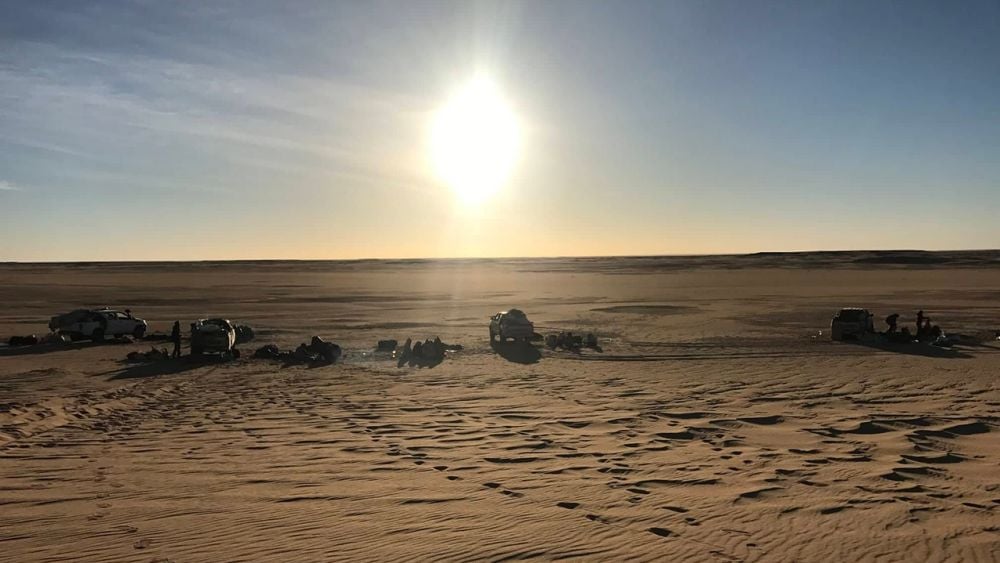
Reuters reported that the largest fragment of Teghaza 001 was about the size of a fist and found approximately 34 kilometers from Bir Chali, Mali. The mineral composition of the meteorite reinforces the hypothesis that early Mars had the necessary conditions to potentially support life, though it does not provide direct evidence of life itself.