Amazon Plant May Offer Sustainable Ibogaine Source for Addiction Treatment
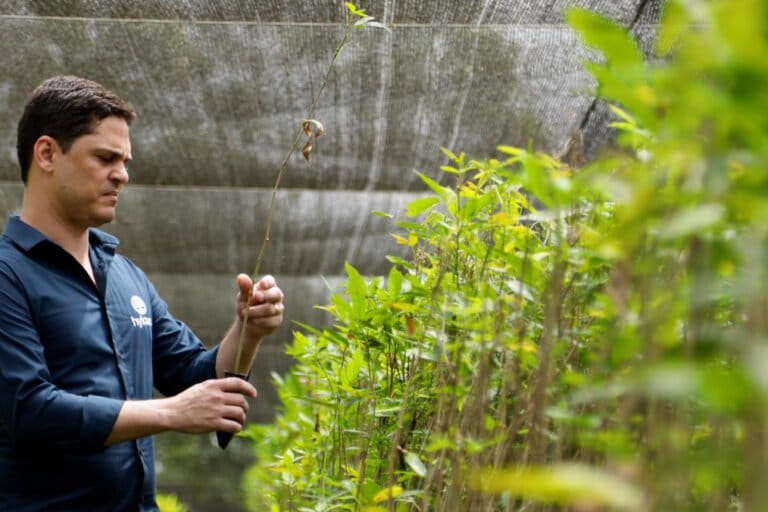
Ricardo Marques, a Brazilian researcher, has identified an Amazonian plant species previously dismissed as a weed, which may serve as a sustainable source of voacangine, a chemical precursor to ibogaine. Ibogaine is a psychedelic compound noted for its potential in treating addiction.
The traditional source of ibogaine, the African iboga shrub, requires up to 30 years to mature and yields only one gram of ibogaine per plant, often leading to destructive harvesting practices. In contrast, Marques has developed a regenerative harvesting method for the Amazonian plant, allowing it to regrow after extraction, potentially ensuring a sustainable supply.
Marques has secured authorization from Brazil's federal conservation agency, ICMBio, to collect samples from the Chico Mendes Extractive Reserve in Acre. His initiative includes training local families to identify and process the plant, supporting local economies while preserving the ecosystem.
Through his company, Hylaea, Marques has partnered with the Chemistry Institute of the University of São Paulo to optimize ibogaine production. Initial sales of voacangine began in late 2025, with small orders fulfilled for companies in the U.S. and Israel. However, ibogaine remains unregulated in Brazil, necessitating further permits for expanded production.
Ibogaine has shown promise in clinical trials, such as those led by Genís Ona at Sant Joan de Déu Hospital in Barcelona, where patients tolerated doses up to 600 mg without significant adverse effects, and some reduced or discontinued methadone use.