Alcohol Consumption During Heatwaves Increases Health Risks
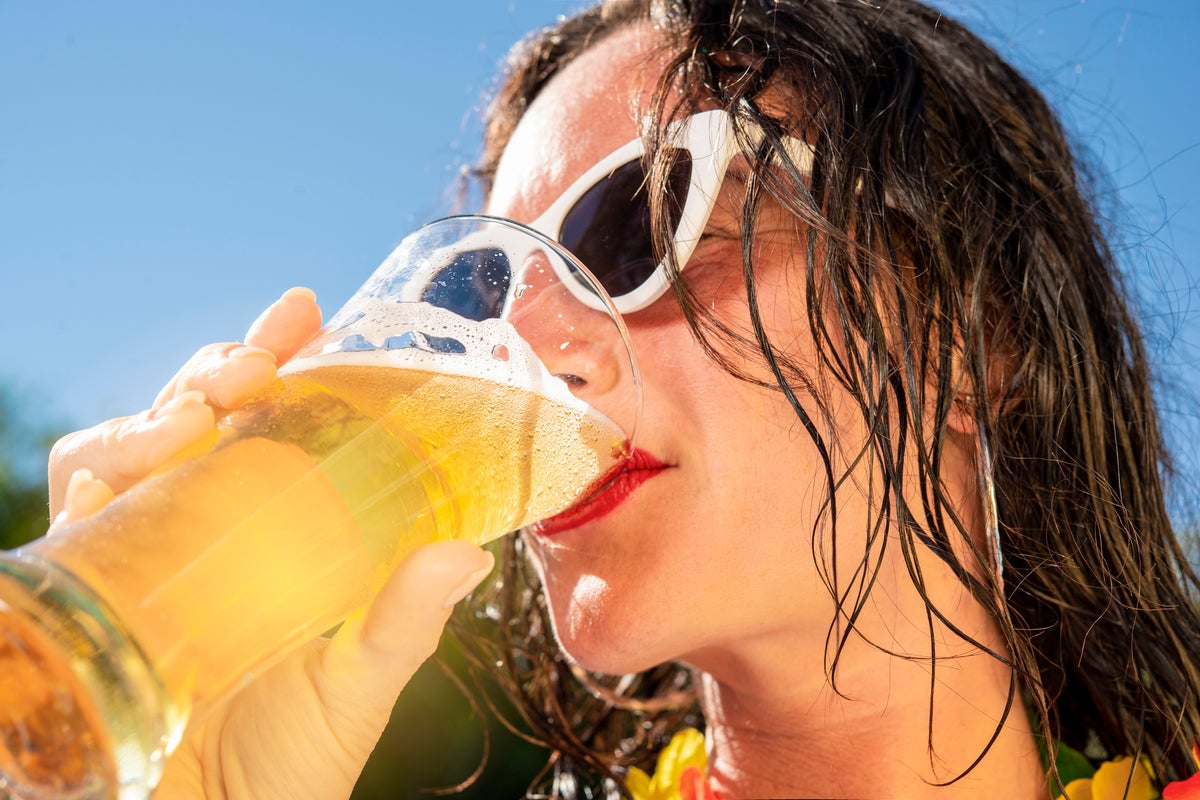
As Britain faces a heatwave, health officials are advising caution regarding alcohol consumption, which can exacerbate dehydration and heat-related illnesses. The Centers for Disease Control and Prevention (CDC) notes that alcohol acts as a diuretic, potentially worsening dehydration when consumed in hot conditions.
Alcohol's diuretic effect leads to fluid loss, which can accelerate the rise in body temperature, increasing the risk of dehydration, according to St. Luke’s Penn Foundation. The foundation recommends drinking 8–12 ounces of water per alcoholic beverage to mitigate these effects.
In addition to dehydration, alcohol consumption impairs cognitive and physical abilities, posing dangers in outdoor activities such as swimming. A peer-reviewed study identifies four pathways through which alcohol increases heat illness risk: impaired thermophysiological response, compromised hydration, impaired behavior, and impaired decision-making.
Public health authorities consistently advise limiting alcohol intake during periods of heat stress. While some studies suggest alcohol may increase skin blood flow, the prevailing guidance remains to avoid alcohol to prevent heat-related health issues.